Additional information
| Weight | N/A |
|---|---|
| Size | 25g, 50g, 100g |
| Регіон походження | |
| Підкатегорія | |
| Тип сировини за морфологією | |
| Вік сировини | |
| Майстер (виробник) | |
| Country of origin | |
| Район походження |

From 445.00 UAH

| Weight | N/A |
|---|---|
| Size | 25g, 50g, 100g |
| Регіон походження | |
| Підкатегорія | |
| Тип сировини за морфологією | |
| Вік сировини | |
| Майстер (виробник) | |
| Country of origin | |
| Район походження |
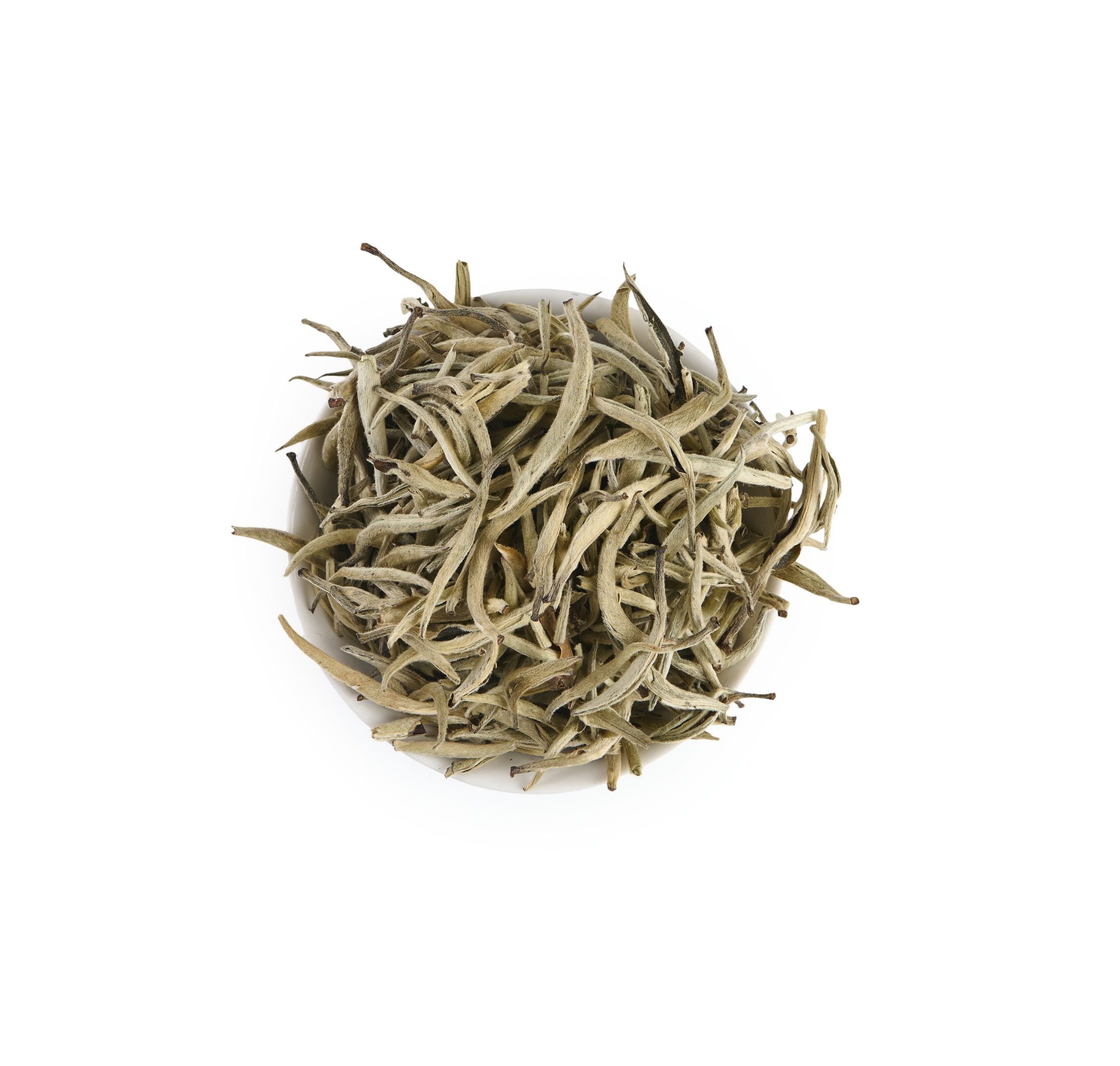
It is no coincidence that Yunnan is considered the birthplace of white tea. This seems only natural, as it is here that the native regions of the first tea plants domesticated by humans are located. White tea, in turn, was most likely the first tea ever made by humans, owing to its simplest processing chain — harvesting the leaves and drying them.
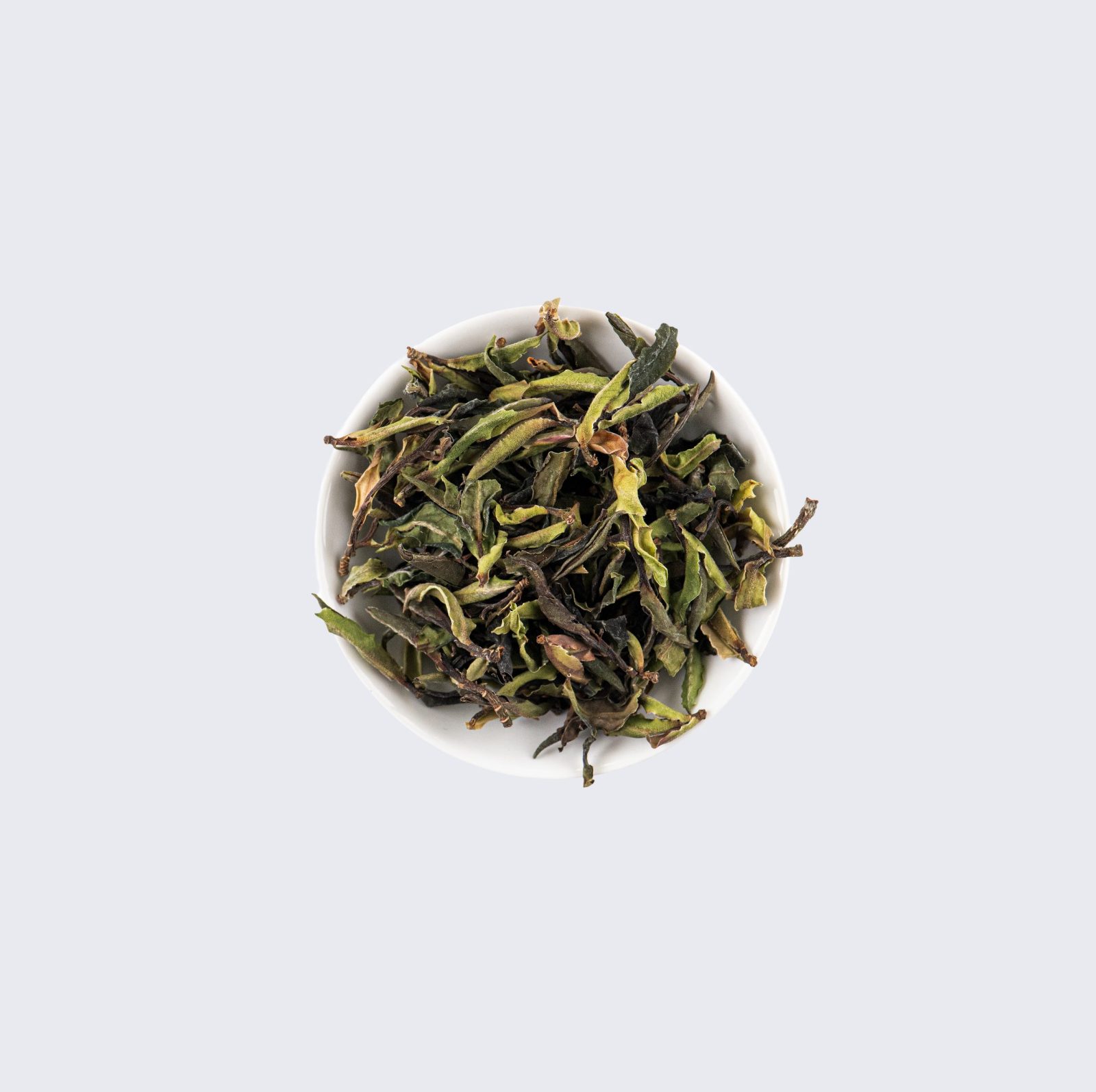
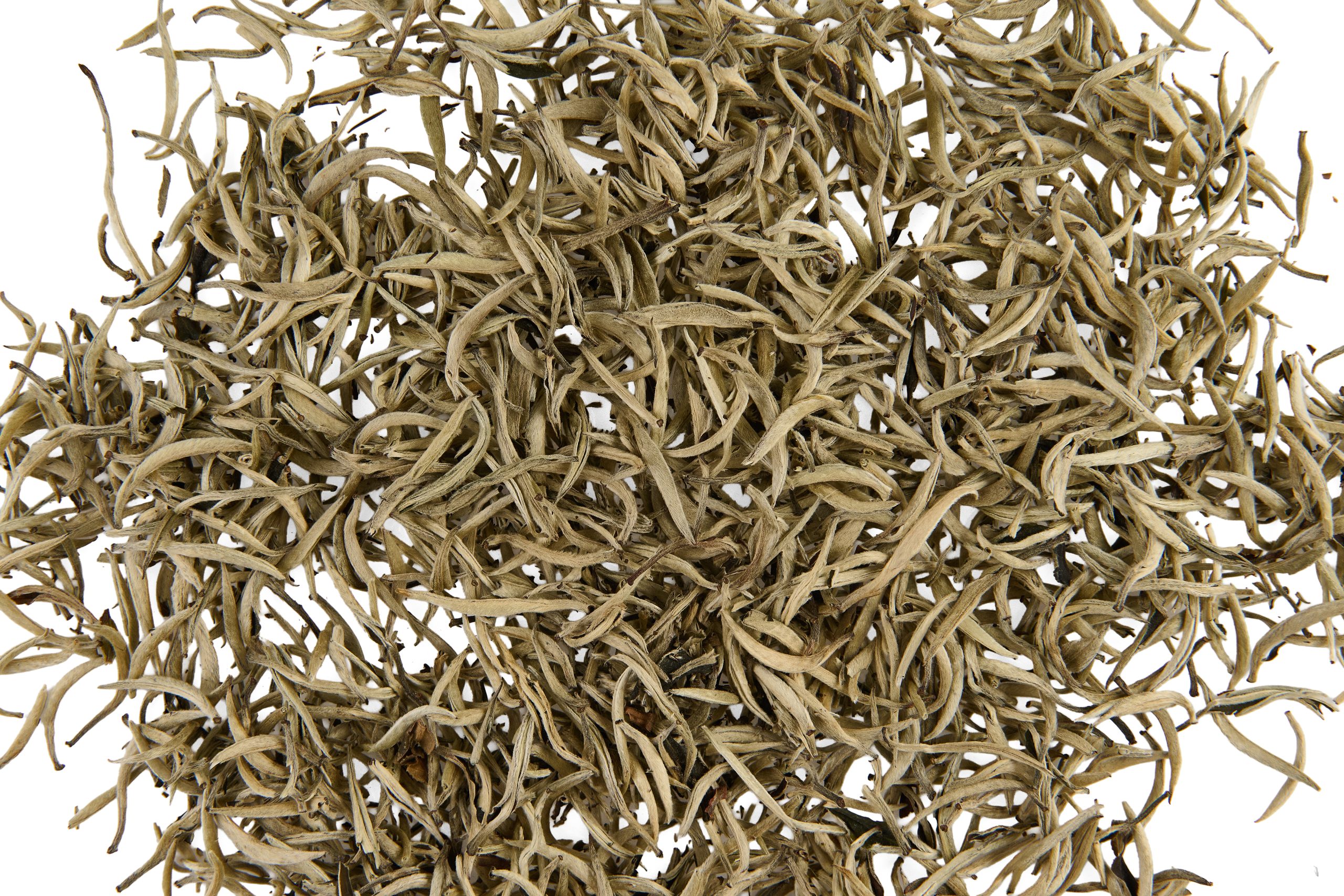
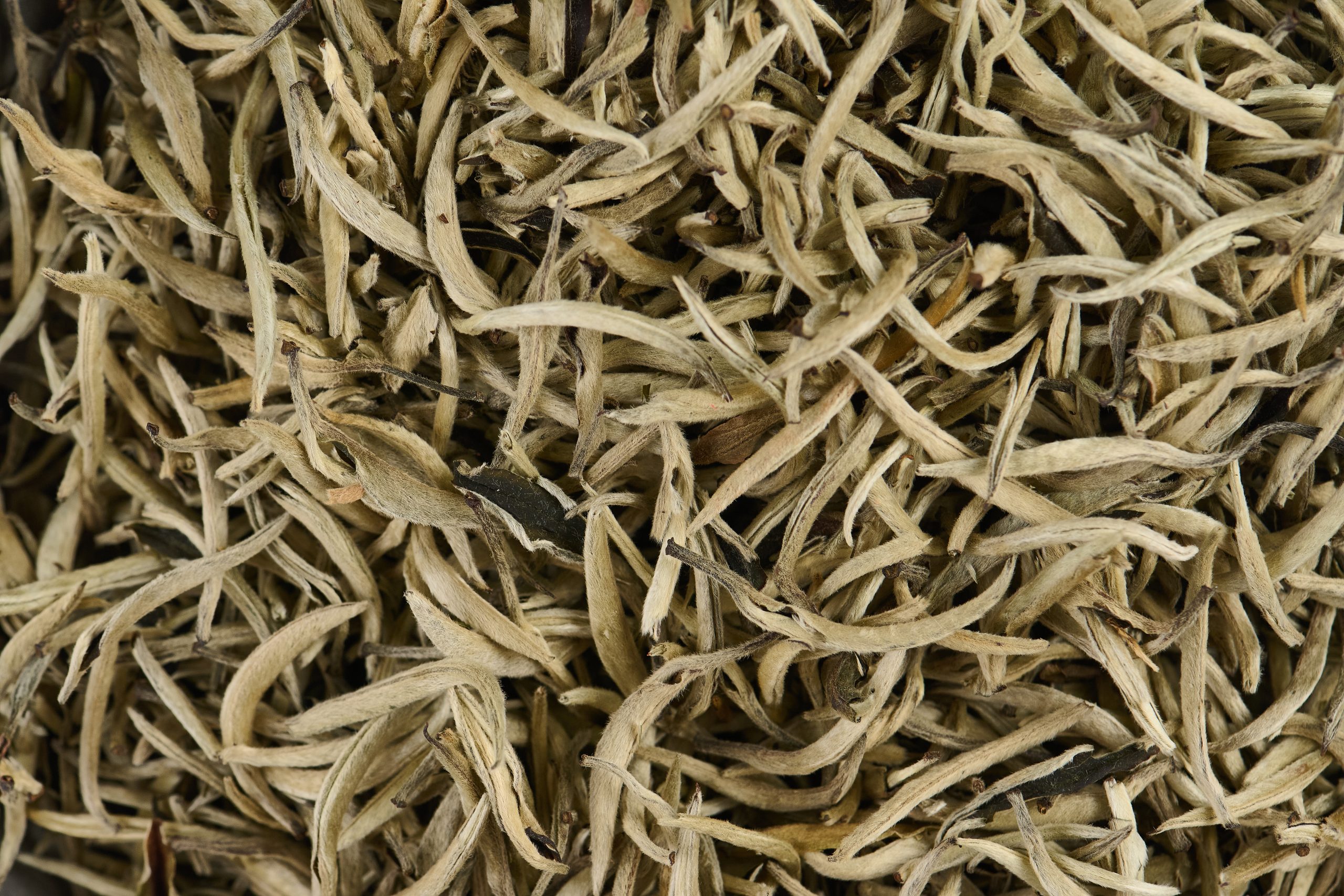
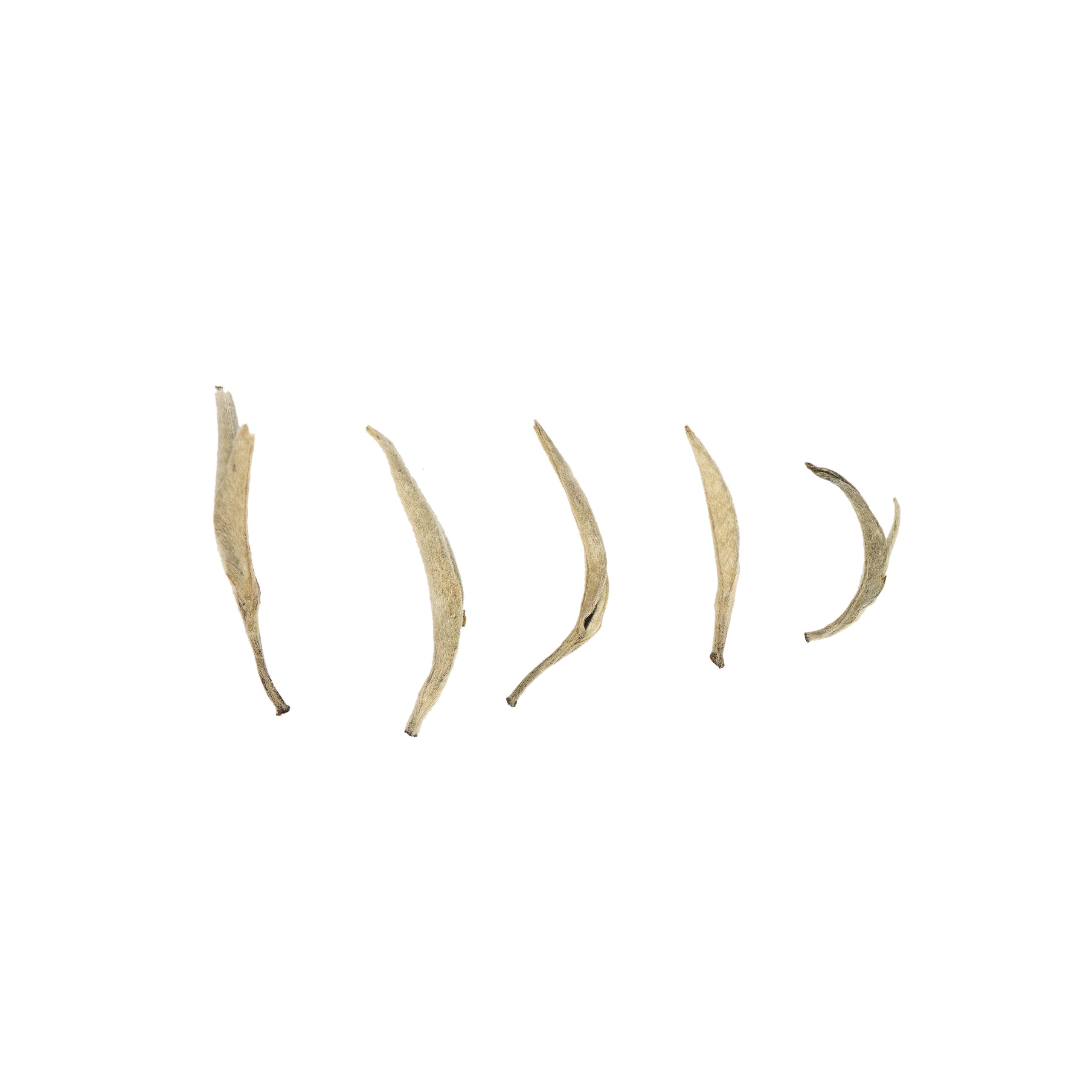
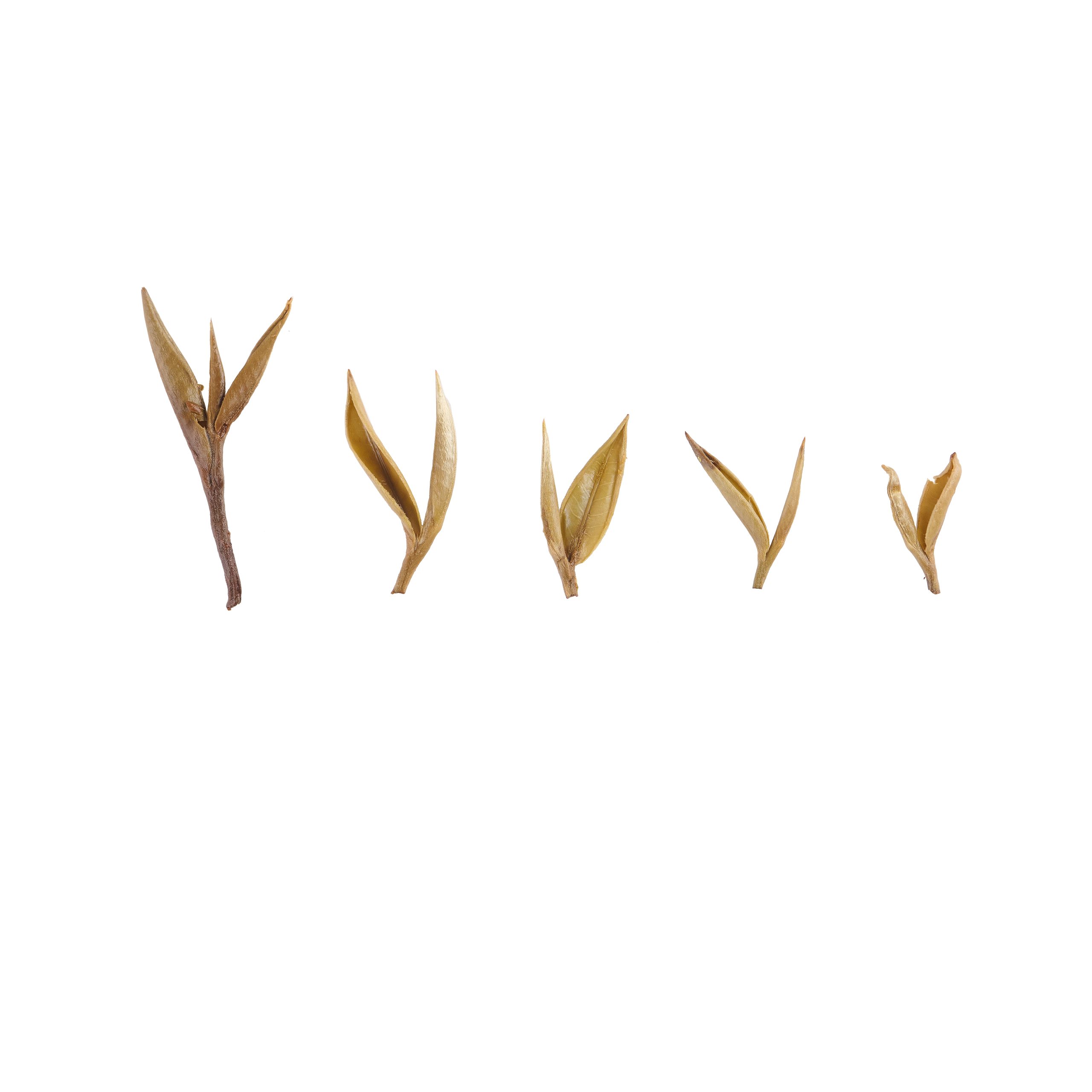
The traditional technique of white tea production — provided it is not industrial-scale manufacturing with aggressive cultivation and air-conditioned drying — has changed very little since ancient times. The foundation, without question, is the raw material itself. For this white tea, Master Xiang selected her favorite material from small ancient tea trees aged 150-200 years. Long ago, according to local tradition, these cultivated trees were pruned in a particular way. As a result, they do not grow taller than 2-3 meters, making the harvest easier to gather. These trees grow in one of the tea gardens of Maden, spread across the slopes of the Ailao mountain range at elevations of 1600-1800 meters. At the same time, the entire harvest consists exclusively of flushes. A flush is a transitional stage between a bud and a leaf, when, before fully opening, the leaf forms an elongated fuzzy “needle.” This is precisely what gave the tea its Chinese name — Bai Hao Yin Zhen (白毫银针), which translates as “Silver Needle with White Fuzz.” Today, this name is used for all white teas produced from such material.
The second and most important factor influencing the quality of white tea is the drying stage. The master spreads the needles in a thin layer across woven trays and mats, drying them outdoors for several days. When the sun becomes too intense or rain begins, the trays are moved beneath a shelter. The master checks the condition by touch, determining the degree of the tea’s readiness. All of these seemingly simple operations require great experience, as it is precisely the drying process that allows the master to bring out the fullest potential of the selected material.
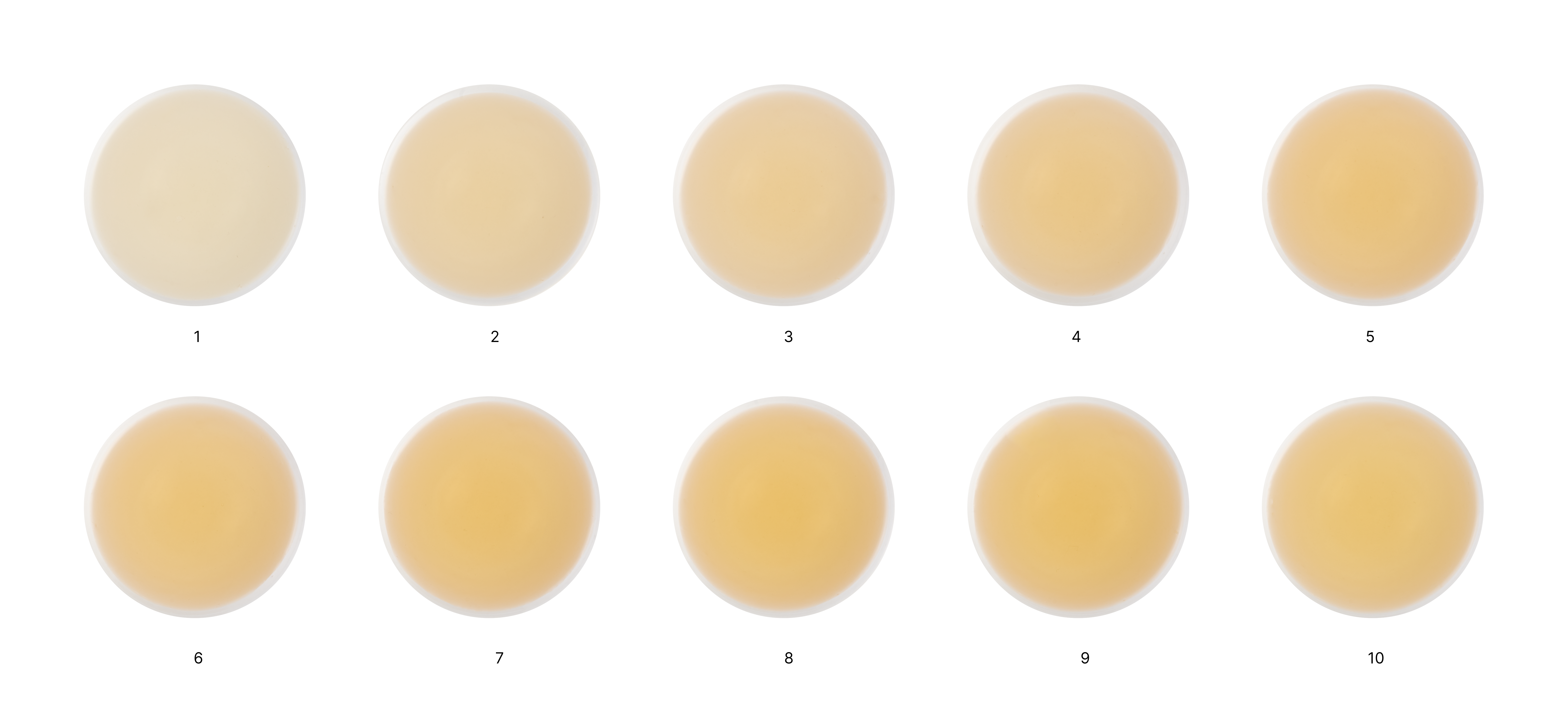
The aroma of the warmed leaves is dense and sweet. The complex bouquet is dominated by a floral profile intertwined with pronounced fruity and dessert-like notes: cherry blossom, peach, caramel, crushed poppy seeds, yellow straw, and wax. In the warmed cup, the rich and intoxicating aroma of linden honey takes center stage. The infusion is ethereal and oily. The flavor opens with notes of white chocolate and cocoa butter before quickly unfolding into an extraordinarily long aftertaste, which is undoubtedly the headliner of this “performance.” At the beginning of the session, the aftertaste is marked by expressive florality: white blossoms of fruit trees, elderflower, and orchid. Later, herbaceous notes emerge — sage, nettle, and wild meadow herbs. Gradually, sweet honey and peach pit nuances appear as well.
Exemplary gushu material and the hand of the master have made this tea endlessly enduring. It effortlessly surpasses 10 infusions and shows no intention of stopping there. Cha Qi is felt throughout the entire body — like a mountain stream: pure and vibrant.
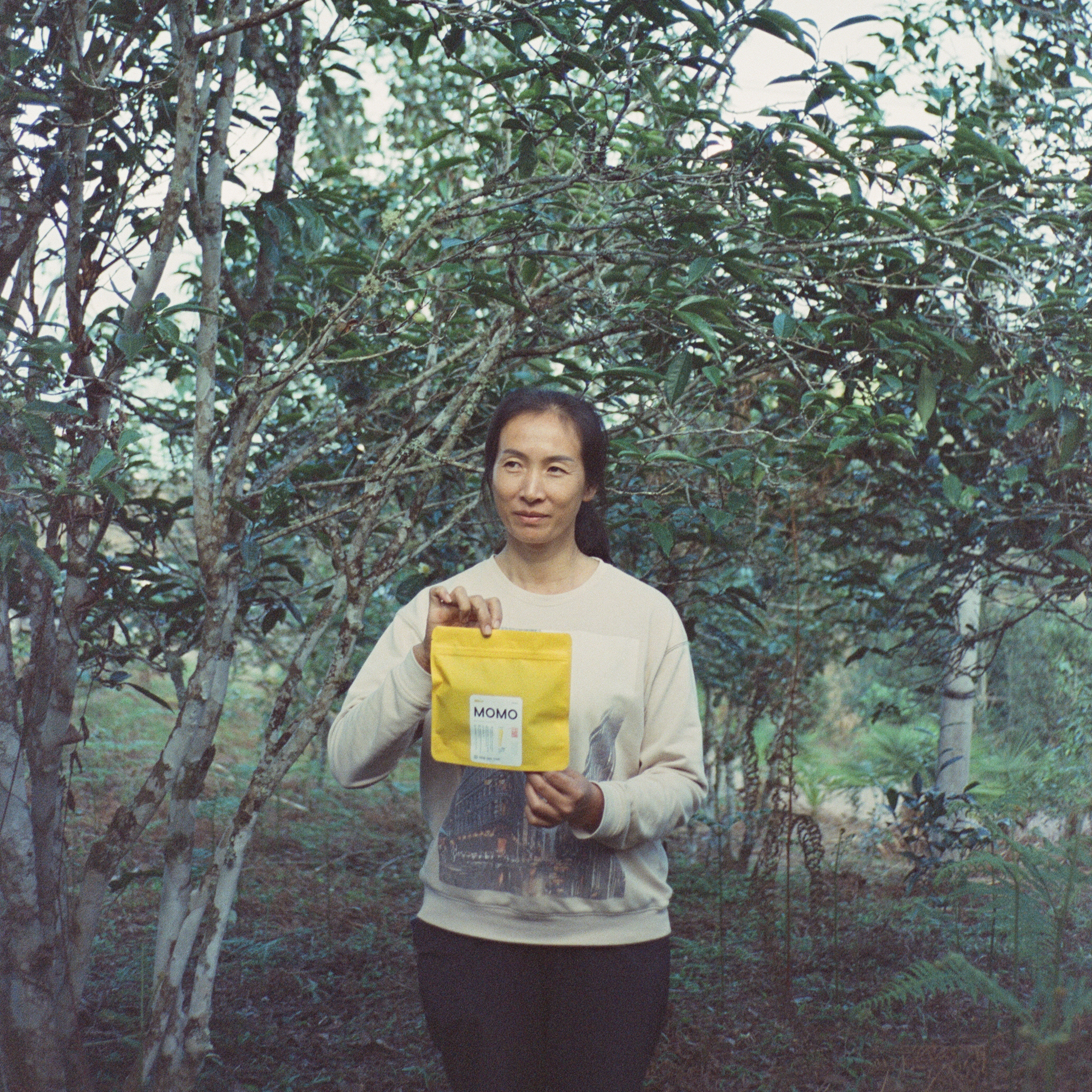
Master Xiang earned two degrees and dedicated her life to reviving traditional techniques, settling in a remote mountainous region of Yunnan. Talented and attentive, Xiang is very meticulous when selecting tea raw materials. She is not afraid to experiment and inspires us every year with new fantastic teas.
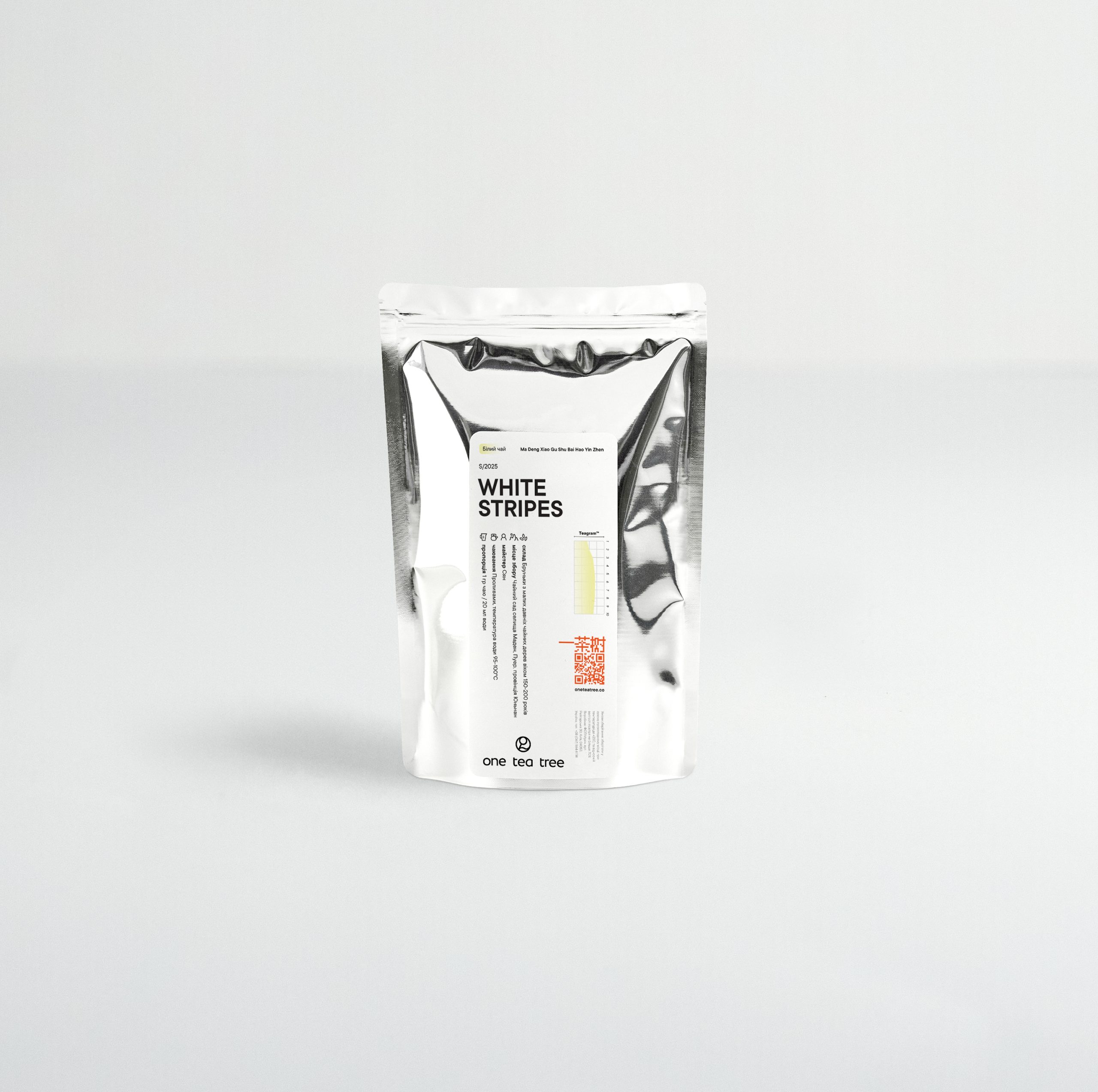
By infusions, water temperature 95-100°C
Proportion: 1 gram of tea / 20 ml of water