Additional information
| Weight | N/A |
|---|---|
| Size | 25g, 50g, 100g |
| Район походження | |
| Country of origin | |
| Рік врожаю | |
| Майстер (виробник) | |
| Вік сировини | |
| Регіон походження |



From 580.00 UAH
| Weight | N/A |
|---|---|
| Size | 25g, 50g, 100g |
| Район походження | |
| Country of origin | |
| Рік врожаю | |
| Майстер (виробник) | |
| Вік сировини | |
| Регіон походження |
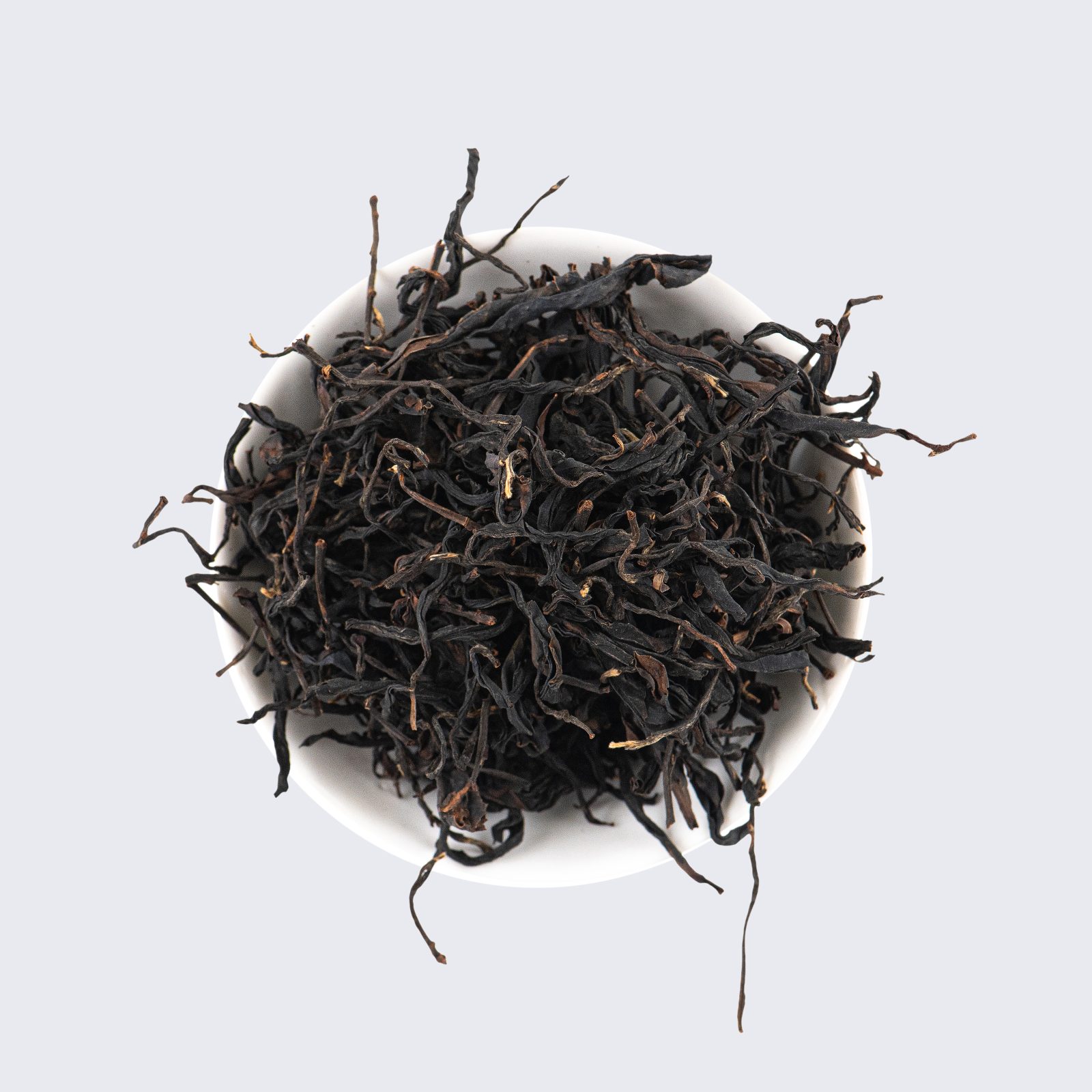
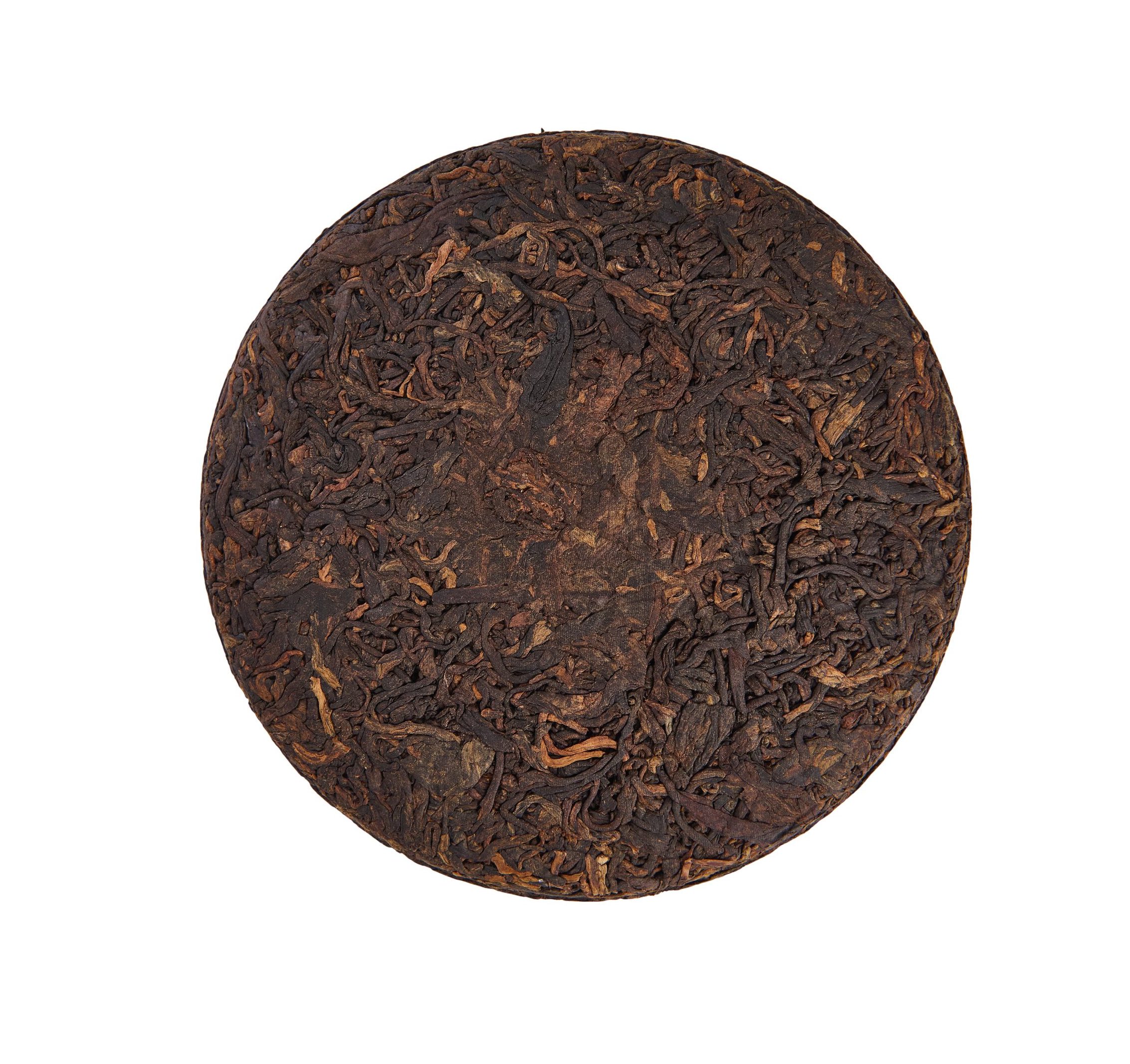
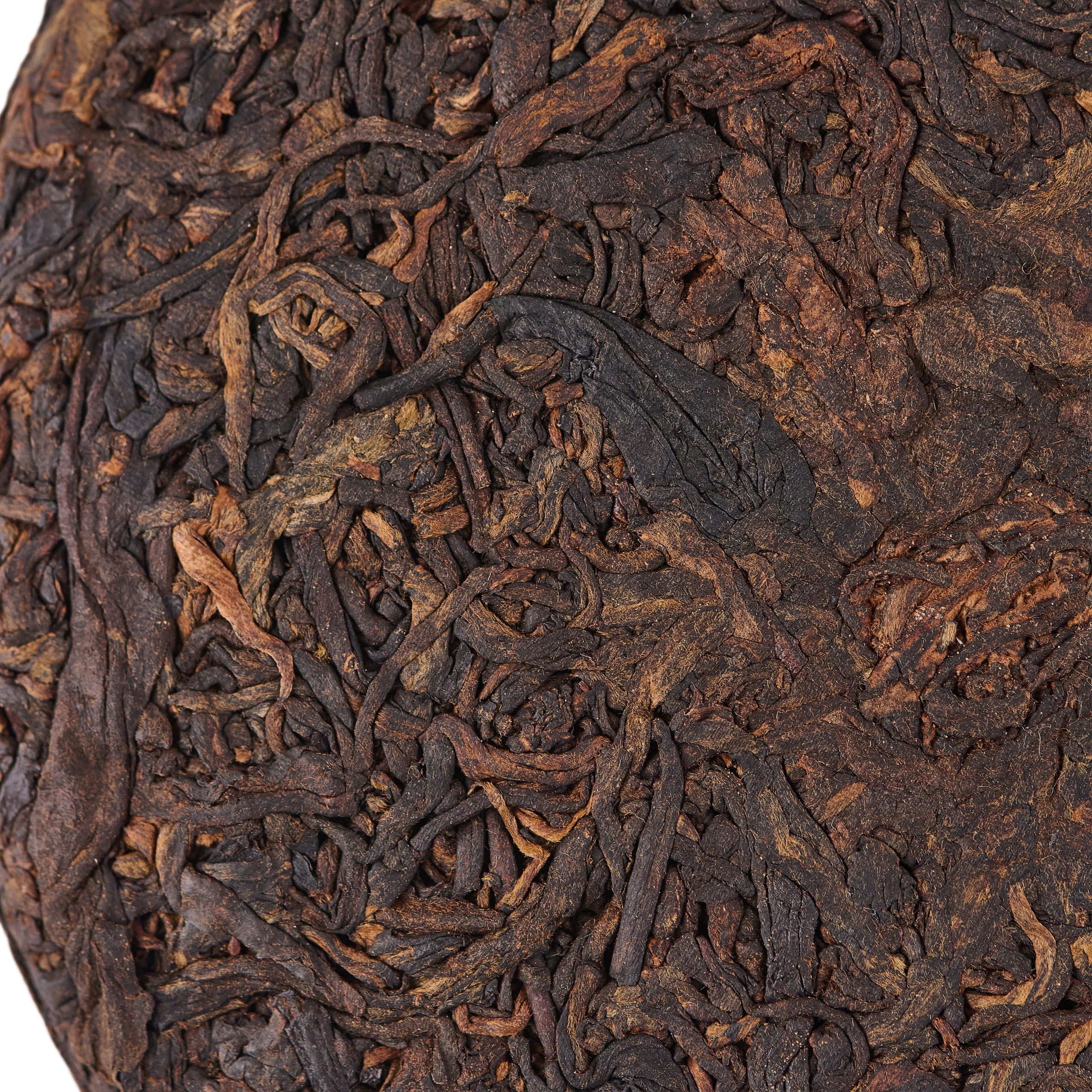
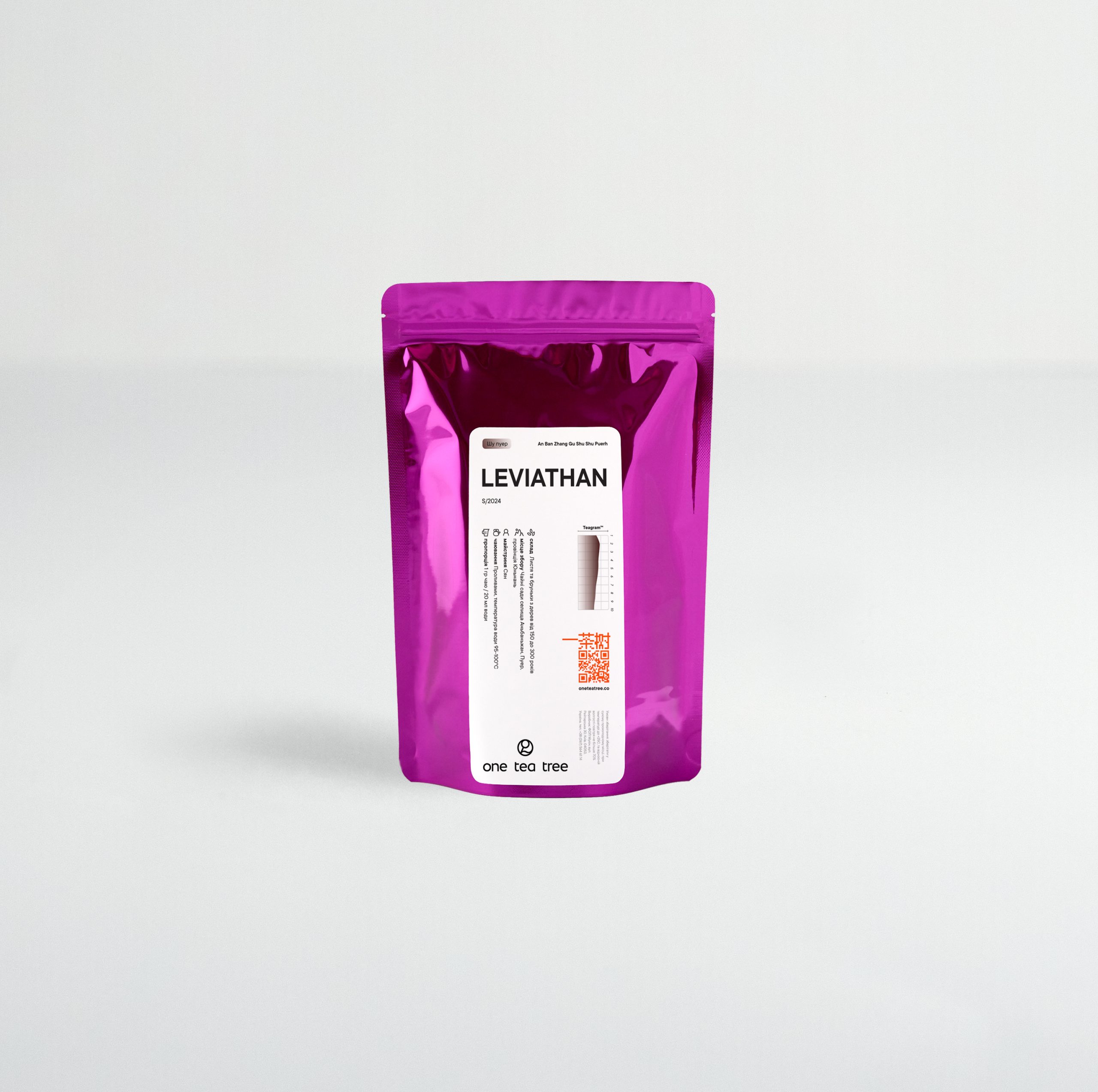
The new shu puerh from master Xiang impressed us from the very first sip. It was so unexpectedly powerful and exceptional that everyone froze, trying to grasp it — as if we had accidentally encountered a huge wild beast in the forest.
So let us introduce this tea.
The tea gardens of An Ban Zhang village grow on the slopes of the middle section of the Wuliangshan mountain range. The village is part of Lao Wu Shan, one of the renowned tea regions of Zhenyuan County. This tea region is a vivid example of a vertical subtropical climate: throughout the year the mountain slopes are wrapped in mist, with clean air, a moderately cool climate, abundant rainfall, and sufficient sunlight. It is a classic example of what locals describe as “four seasons on one mountain, different skies within ten li.” Another characteristic feature of the area is that the higher the mountains rise, the higher the water sources are found as well. The region is rich in natural bodies of water — wetlands, springs, and streams. At elevations from 1200 to 2200 meters above sea level, wild tea forests spread out alongside camellia and cherry valleys, relict sequoia forests, and wild berry groves. All of this together creates a distinctive and exceptional natural landscape, where geographical location, natural resources, and climatic advantages have laid a natural foundation for unique tea terroirs.
The Lao Wu Shan region ranks second in all of Yunnan by the number of ancient tea trees, surpassed only by the famous Jingmai Mountain. All types of tea trees are present here — from wild to semi-wild and fully cultivated — making it a living example of the evolution of the tea tree.
The tea gardens are mostly arranged in blocks, predominantly mixed with forested areas in the Wuliang Mountains, and partly located on the outskirts of villages, within intercropping systems where tea is grown alongside cereal crops. It is precisely on the outskirts of Anbangzhang village, at an elevation of 1800 meters above sea level, that the tea garden is located where ancient tea trees grow. The raw material from these trees was selected by Master Xiang for our tea. The approximate age of the trees ranges from 150 to 300 years. They belong to a local cultivar known as Teng Tiao Cha, which can be translated from Chinese as “vine stem” or “woven tea.” This cultivar received its name due to its long, flexible, willow-like branches, which often intertwine and weave together.
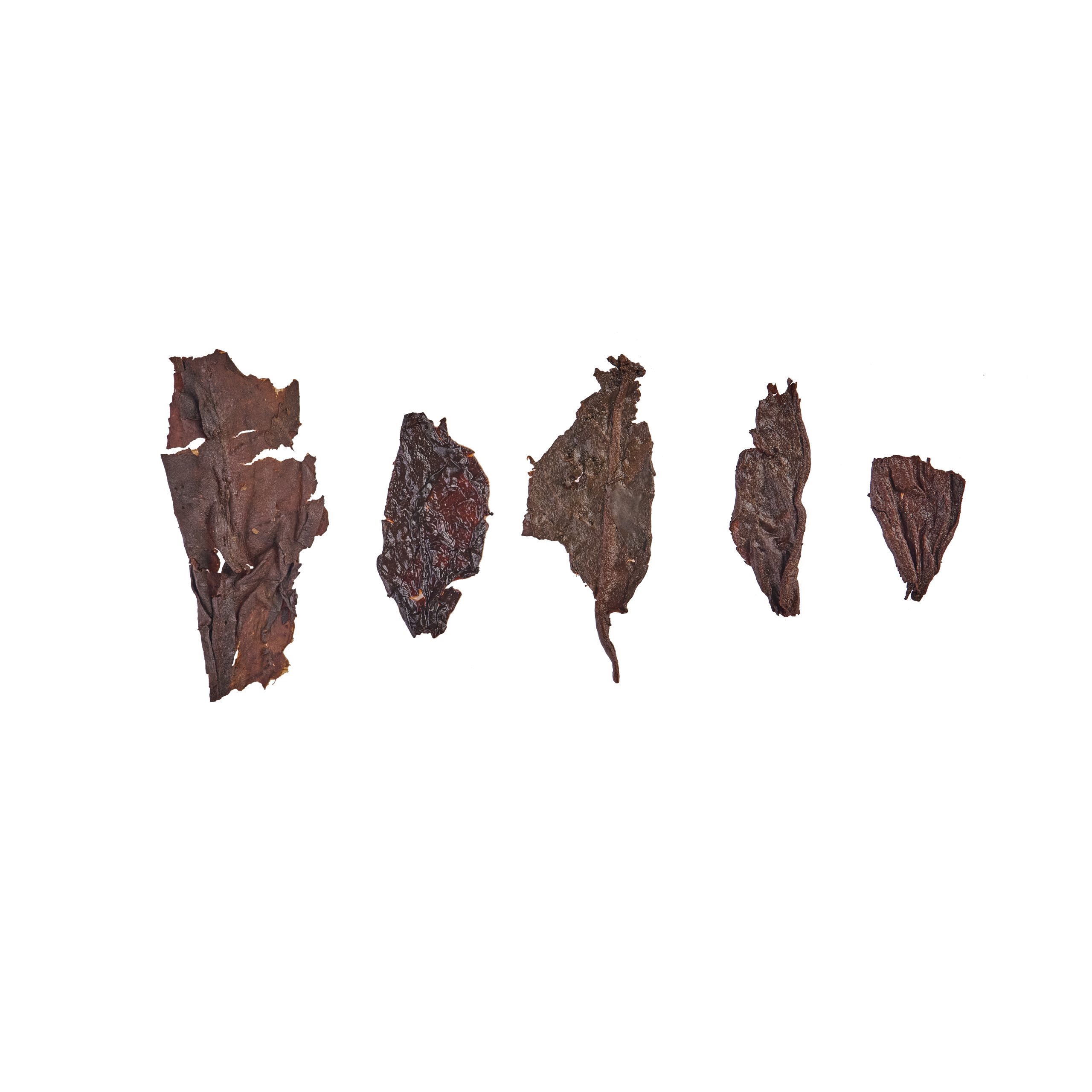
The pronounced terroir of this raw material is reflected in the finished tea thanks to the experience and individual approach of the talented master. Exclusively hand-performed Sha Qing (wok firing) and leaf rolling (Rou Nian), as well as 85% fermentation (Wo Dui) in baskets over the course of 45 days, are only part of the master’s recipe, which, combined with the unique raw material, created the distinctive profile of this tea.
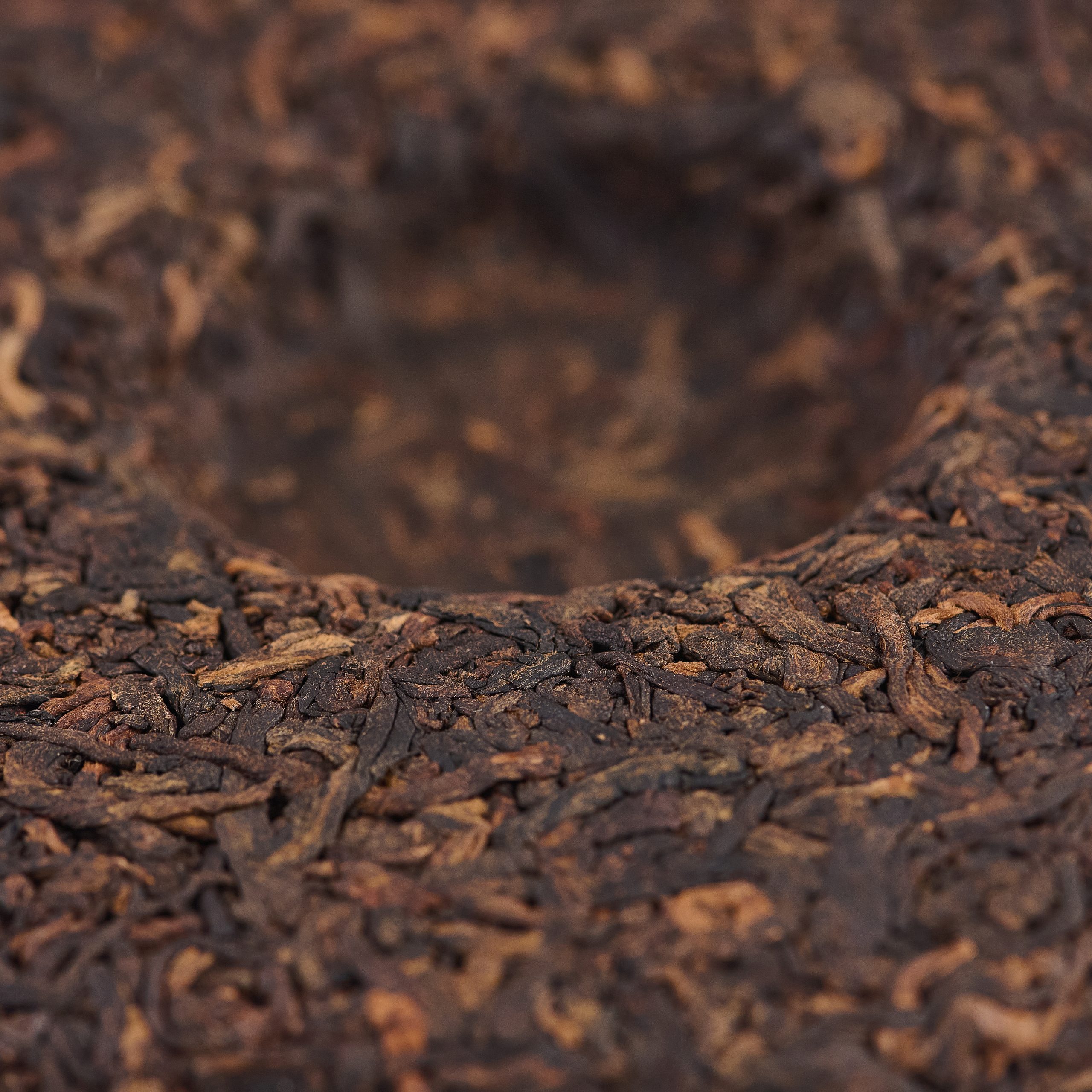
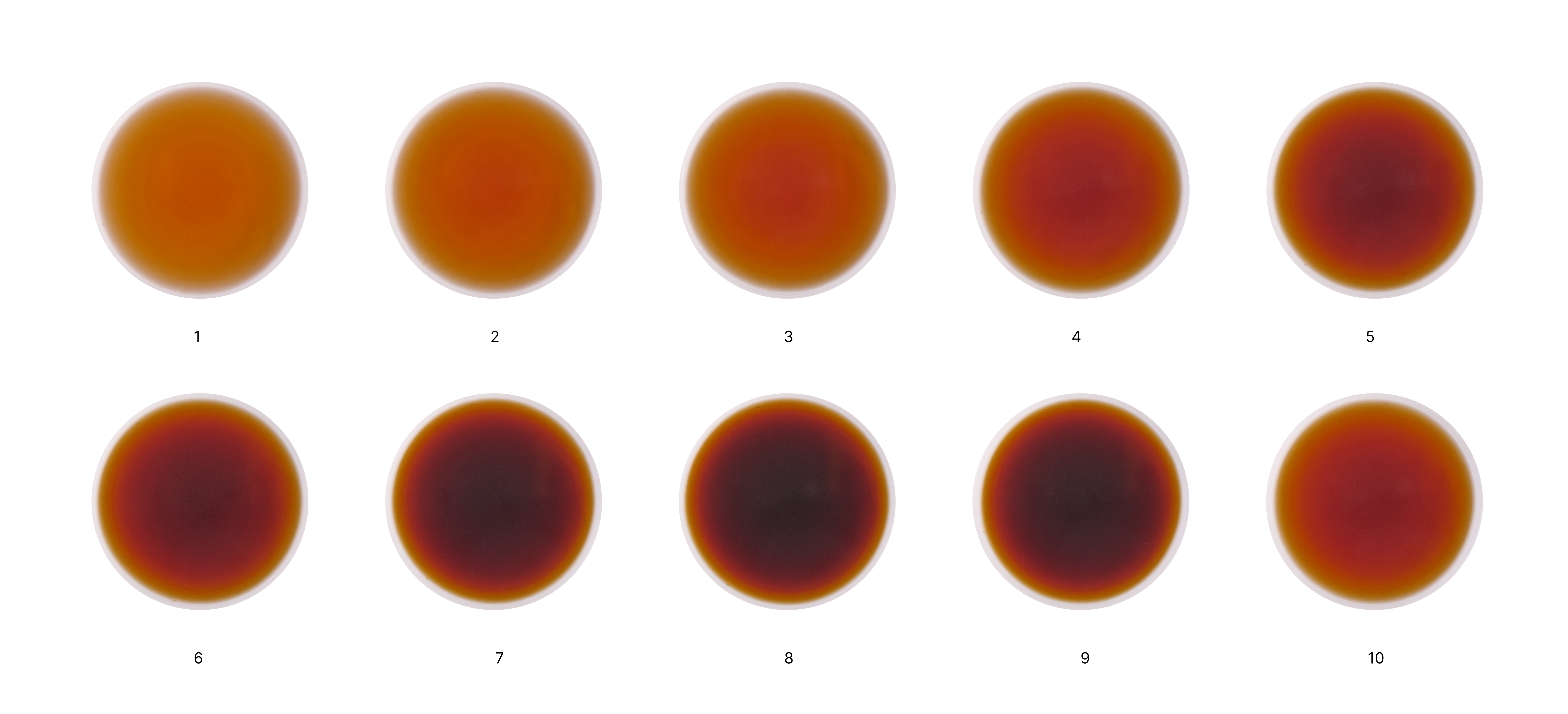
In the aroma of the warmed leaves there is ripe plum and grandmother’s cherry jam, with notes of chocolate and sweet coffee. The liquor is dense and viscous. The taste reveals plum purée, dark chocolate, and tobacco, which transition into a woodiness that lingers for a long time in a powerful, moisturizing aftertaste.
This tea has great potential for further aging, during which the pleasant woodiness will slowly transform into creaminess. The tea will become softer and sweeter.
Cha Qi fully matches its flavor profile: dense, powerful, and mesmerizing.
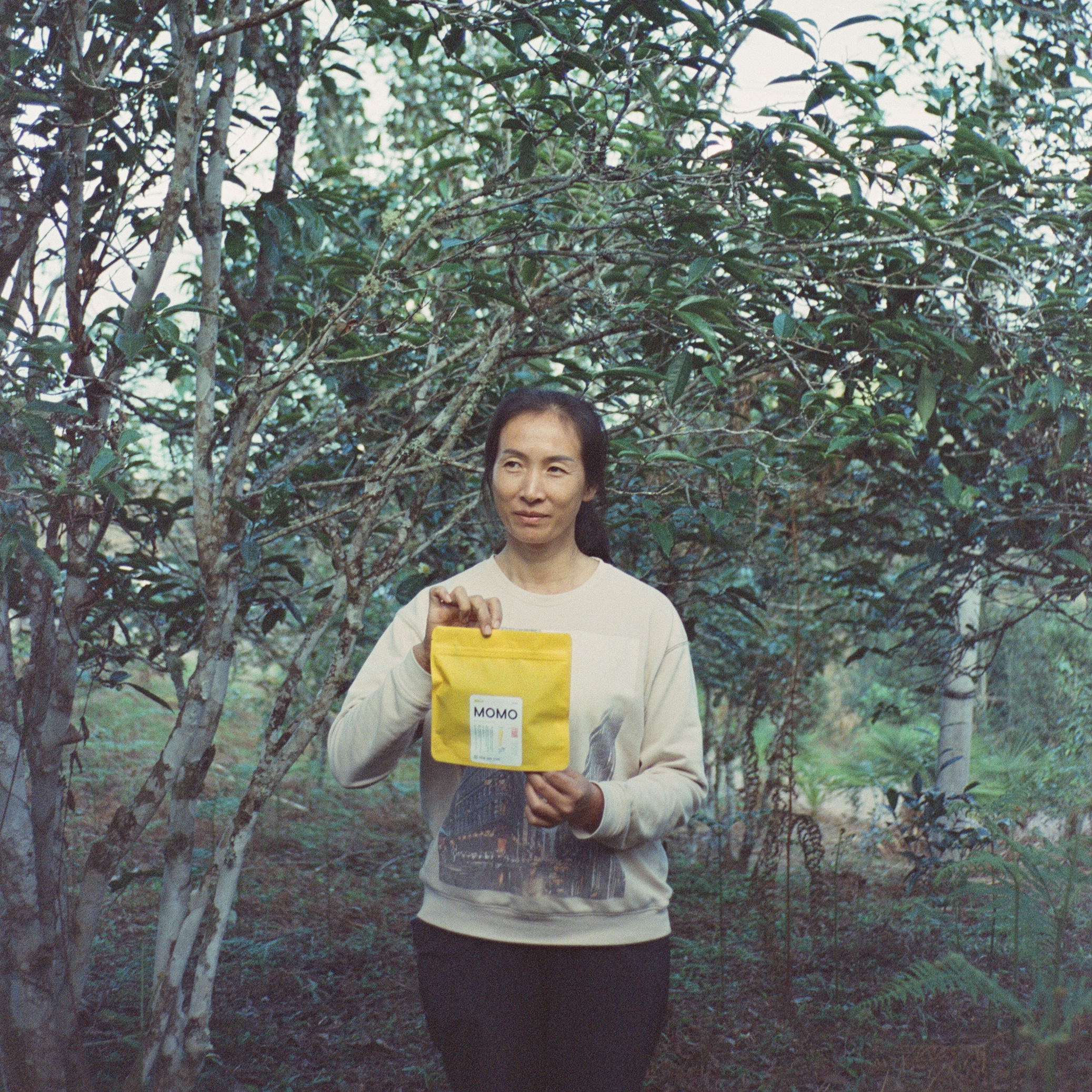
Master Xiang earned two degrees and dedicated her life to reviving traditional techniques, settling in a remote mountainous region of Yunnan. Talented and attentive, Xiang is very meticulous when selecting tea raw materials. She is not afraid to experiment and inspires us every year with new fantastic teas.
By infusions, water temperature 95-100°C
Proportion: 1 gram of tea / 20 ml of water