Additional information
| Weight | N/A |
|---|---|
| Size | 25g, 50g, 100g |
| Country of origin | |
| Рік врожаю | |
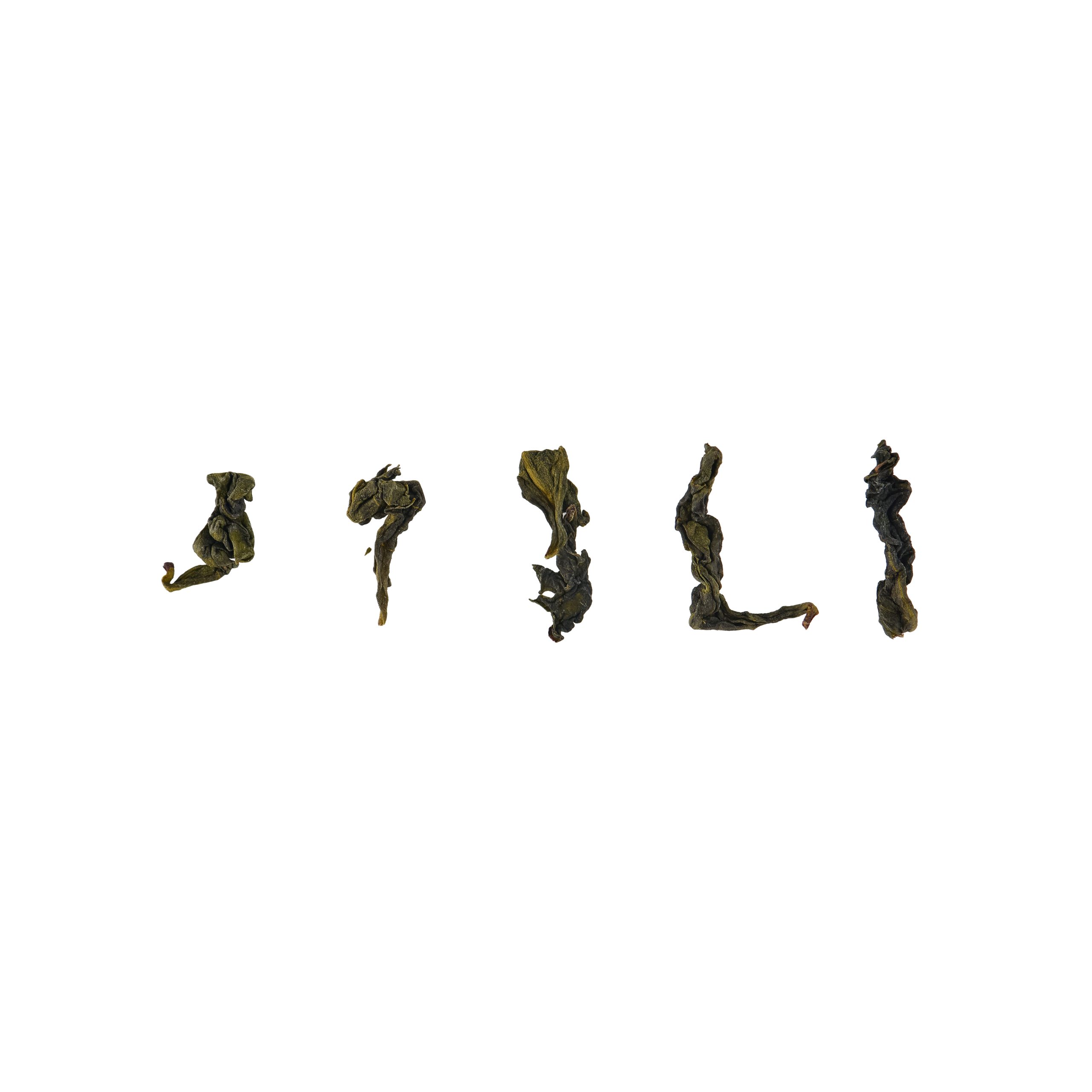
| Тип сировини за морфологією |

From 510.00 UAH

Almost at the very summit of Mount Tong Fa Shan, which reaches 1500 meters and is the second highest mountain in Anxi County, there are several old abandoned tea gardens. The path to them begins on the outskirts of one of the local villages spread out at the foot of the mountain.
As you ascend the slopes, you can see vast areas filled with neat, man-made terraces densely planted with typical Anxi tea plantations. Low tea bushes (rarely growing higher than knee height), planted very tightly, form a continuous green blanket broken only by service paths and rocky terrain. The harvest is collected mechanically several times a year by cutting off the upper layer of newly grown leaves. Vegetation is actively stimulated with fertilizers. Due to such intensive cultivation, the lifespan of these tea plantings barely reaches 25 years, after which they are replaced with new ones.
Moving higher up, one can occasionally encounter pure tea gardens where the harvest, although still collected mechanically, is gathered only twice a year and no fertilizers are used at all.
Closer to the summit, where the slopes become steeper and harvesting becomes extremely difficult, lies the goal of our small journey — abandoned, feral tea gardens known as Huang Ye. The tea plants here are 40–80 years old, with some growing over three meters tall. These gardens look like dense thickets: bamboo and wild grasses almost completely overgrow the tea bushes. In some places, narrow paths cut through the undergrowth and cleared tea plants can be seen. These are exactly the areas where harvesting has resumed for Master Ke. It is here that the raw material for this truly unique oolong is born.
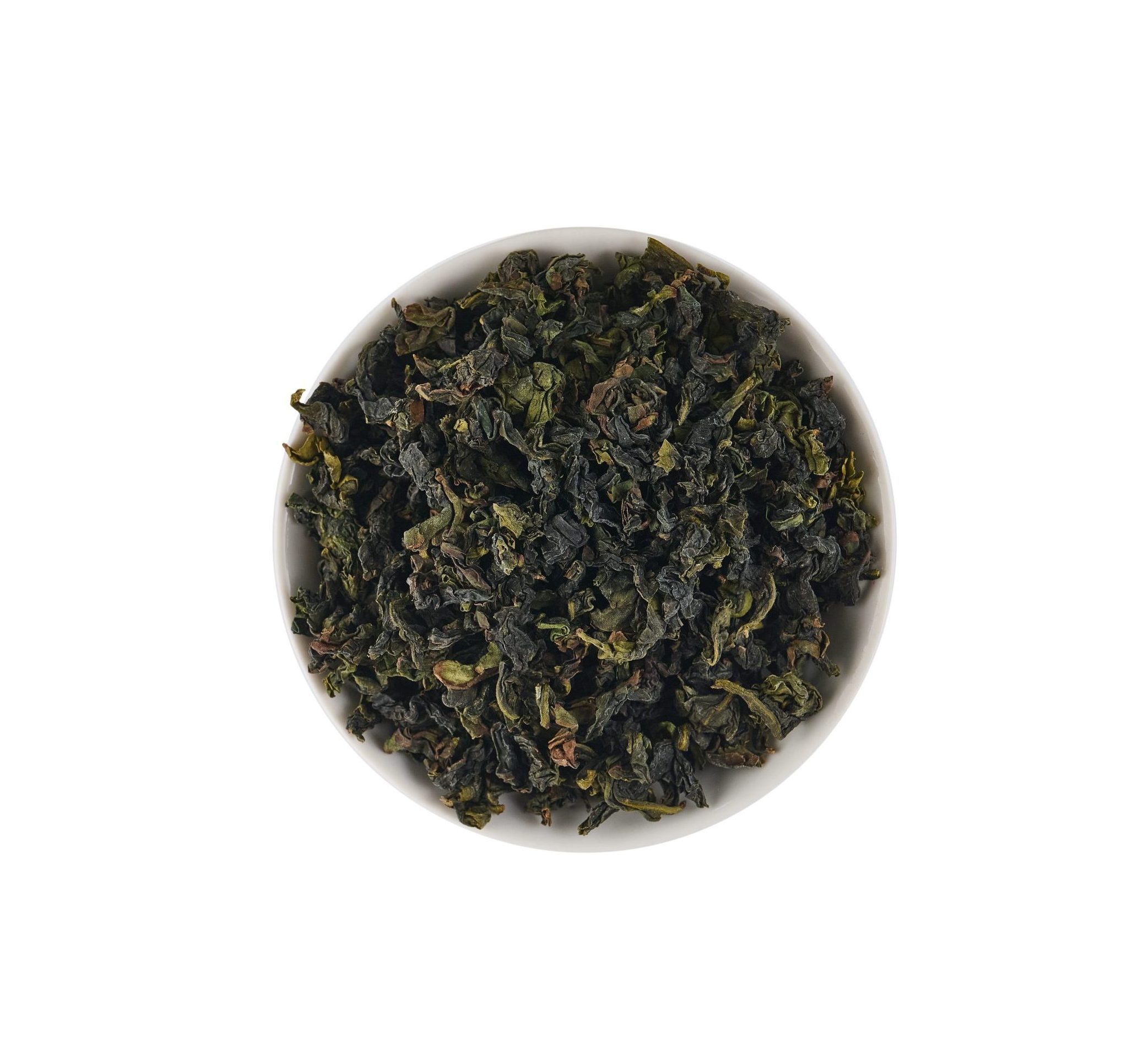
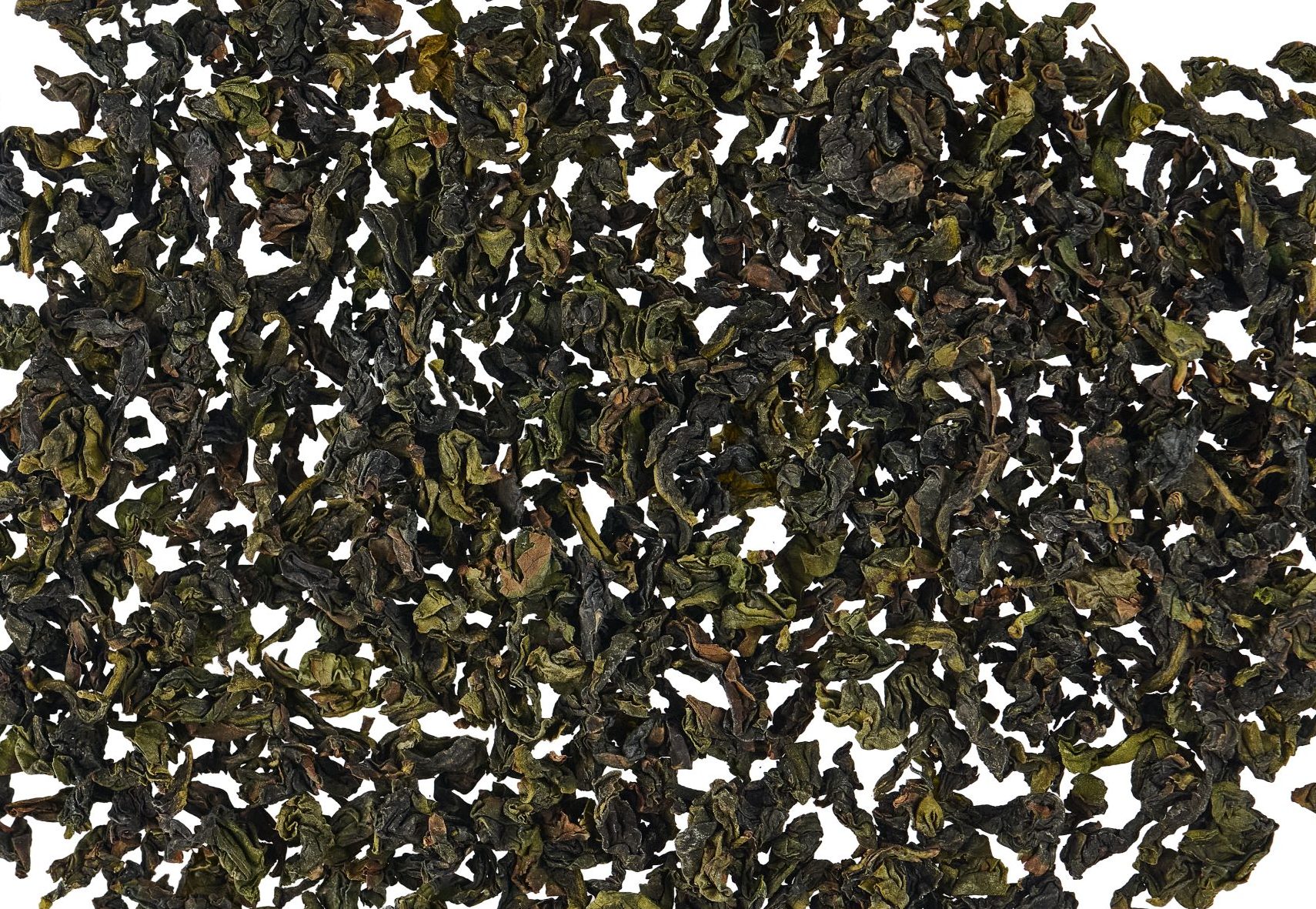
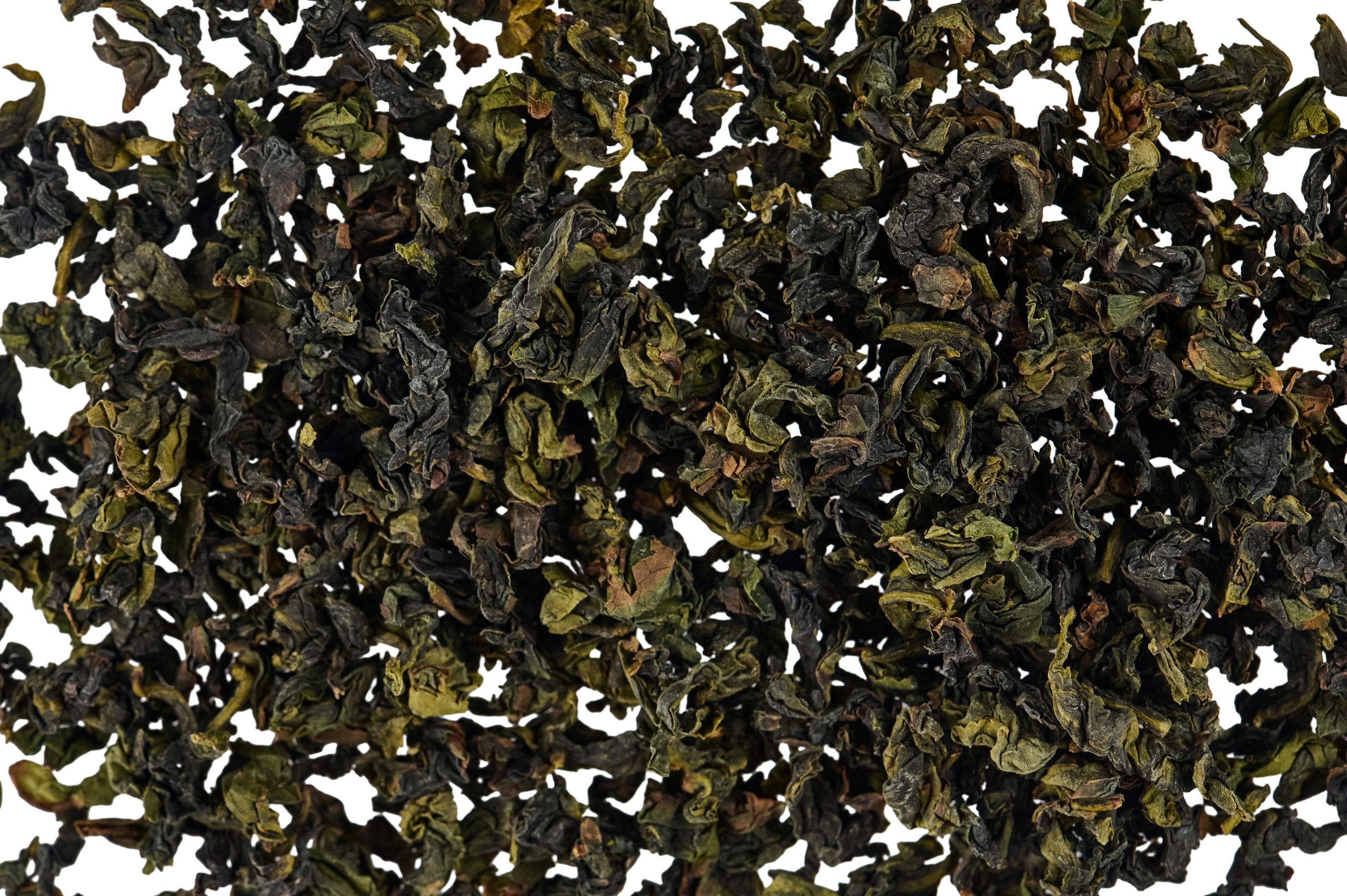
Master Ke made this Tieguanyin “without fire” (without the final charcoal roasting stage) and with light fermentation. Thus, this “green” oolong represents the Qing Xiang (“Pure” or “Fresh Aroma”) style — a relatively modern approach to Tieguanyin production that is gaining increasing popularity. This tea is able not only to win the hearts of oolong lovers, but also to leave admirers of high-quality green teas and sheng puers indifferent.
The absence of the final roasting stage does not make the production technology of this tea simple. After hand-picking, the leaves went through around twenty consecutive processing steps. All of them required the utmost attention of an experienced master, as even a minor deviation can significantly affect the final result. This is why the same raw material can easily produce three different oolongs with three different price levels.
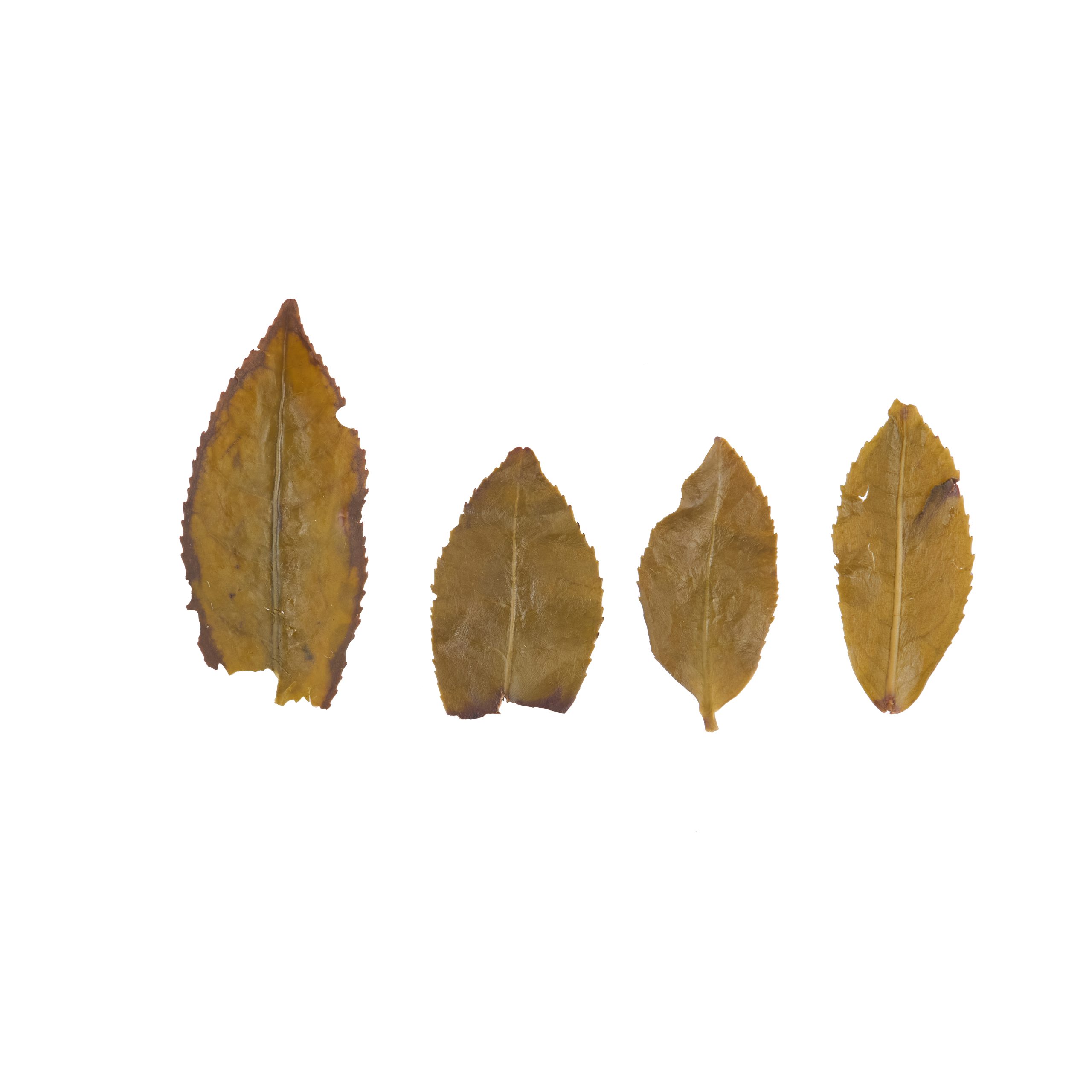
One of the key production stages is Yao Qing. This is the shaking of the leaves in a wooden drum, during which partial fermentation of the leaf edges is initiated. It gives the future tea its distinctive floral aroma and forms the characteristic red edge (Hong Bian).
All the other stages, which are in fact no less important, are carried out under the master’s full control and repeated until the desired result is achieved: Lian Qing – light drying, Wei Diao – withering, Rou Nian – rolling, Bao Gou – wrapping in cloth, Su Bao – compression in cloth, Pin Ban Rou – rolling within the cloth, Guo Huo – drying, Da Shan – shaking.
At the very end, sorting is carried out to remove stems, which are abundant in feral material due to the complex manual harvesting of the leaves (up to 40% of the total mass).
The aroma of the warmed leaves is floral and creamy: violet and lilac at the opening, transitioning into deep sweet, creamy notes that finish with light fruity hints of mango and pineapple.
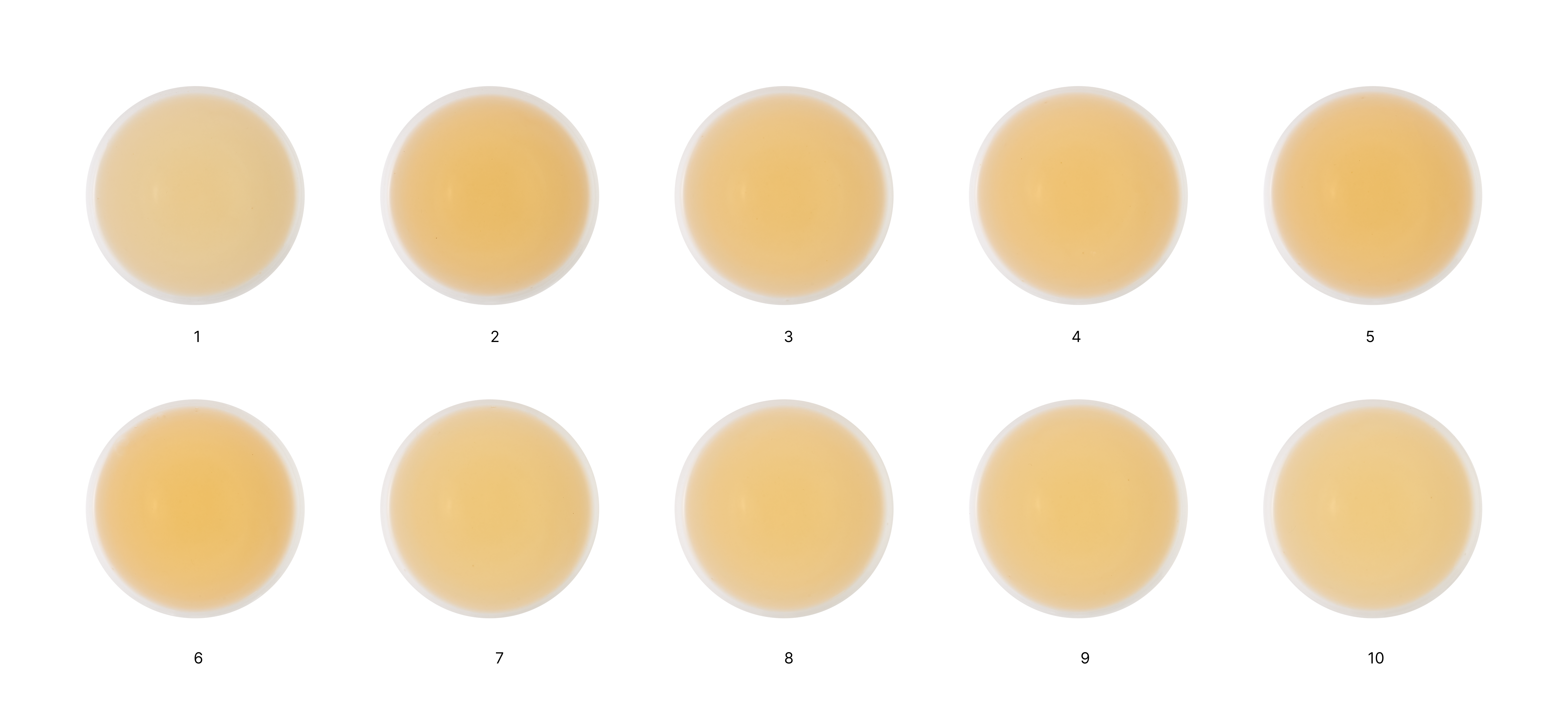
The liquor is golden-lime, bright. The taste is sweet, creamy and buttery, with a light fruity acidity and ethereal character. Closer to the middle of the session, a salty-mineral note appears, which, like the pronounced oiliness, is characteristic of top-quality wild material (Huang Ye). This minerality becomes the foundation for a powerful aftertaste that unfolds in playful, shifting notes: grapefruit, orchid, freshly cut grass.
And the main bonus of any top-tier oolong is the aroma under the teapot lid after each infusion. It is an incredible, dynamic floral-dessert fireworks.
The tea is very long and well balanced. All aromas and flavors come together in a single harmony, delivering an unforgettable experience.
Cha Qi is bright, warm and motivating.
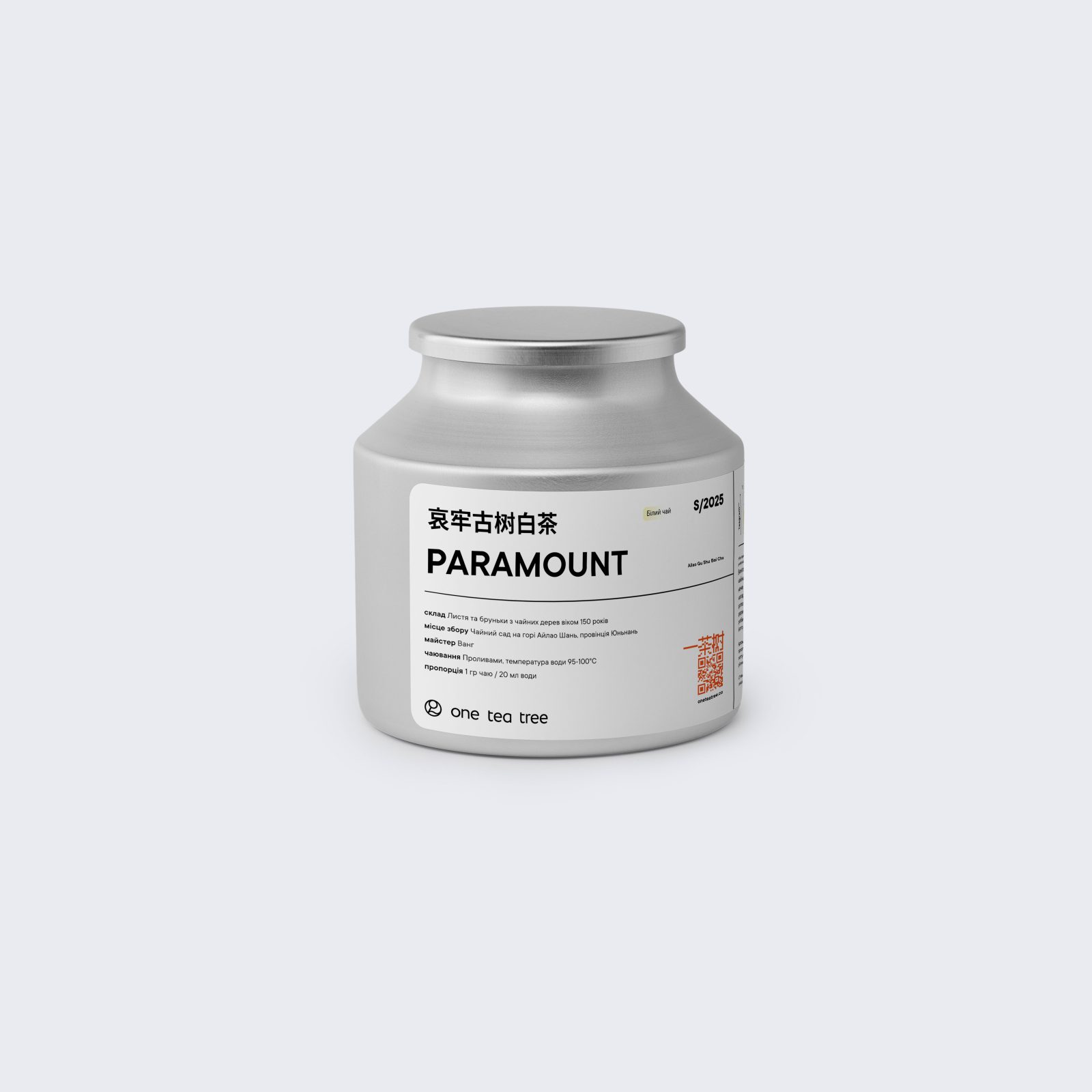
By infusions, water temperature 95-100°C
Proportion: 1 gram of tea / 20 ml of water