Additional information
| Weight | N/A |
|---|---|
| Size | 25g, 50g, 100g |
| Район походження | |
| Country of origin | |
| Рік врожаю | |
| Майстер (виробник) | |
| Вік сировини | |
| Регіон походження |

From 580.00 UAH
| Weight | N/A |
|---|---|
| Size | 25g, 50g, 100g |
| Район походження | |
| Country of origin | |
| Рік врожаю | |
| Майстер (виробник) | |
| Вік сировини | |
| Регіон походження |
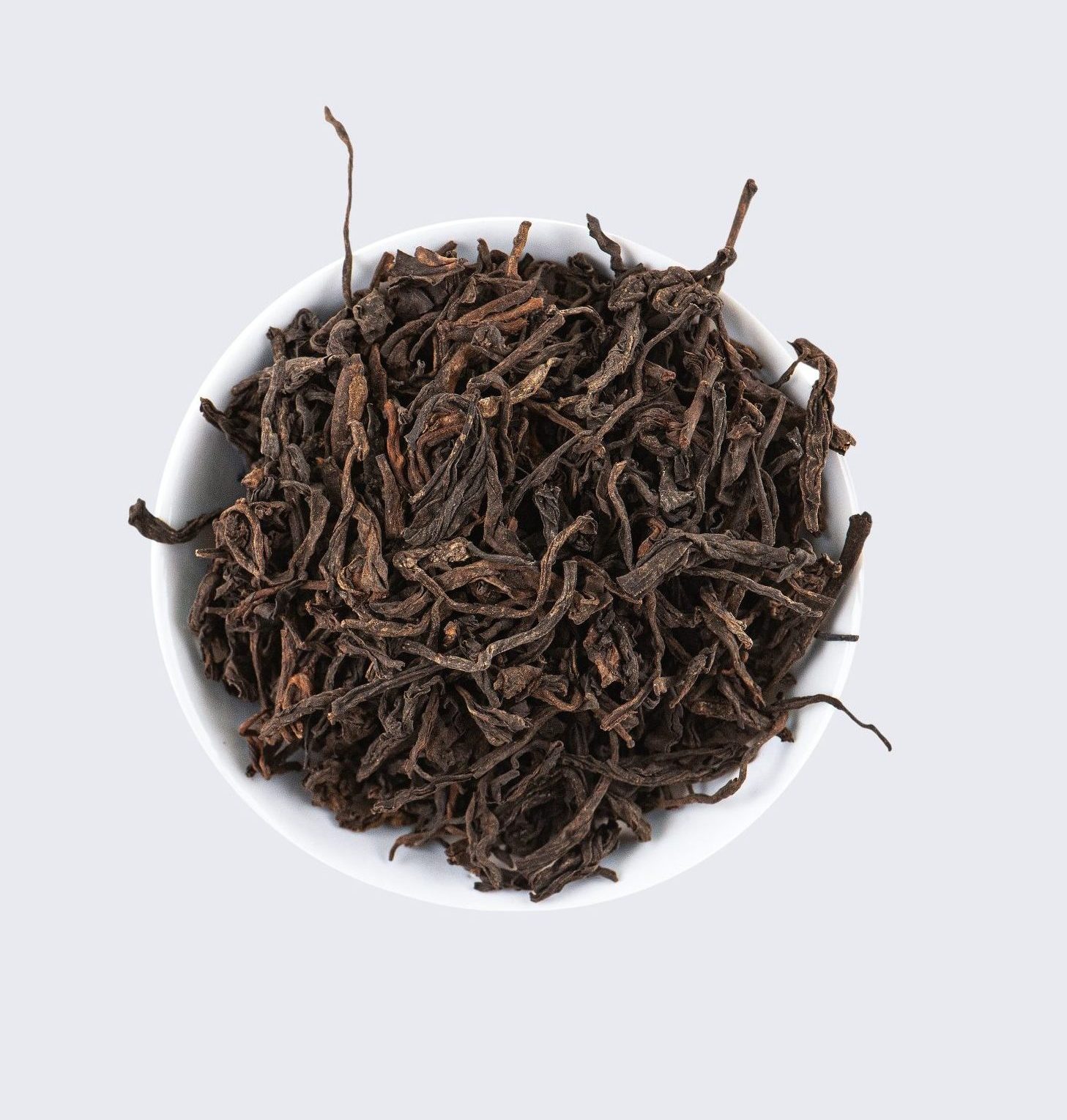
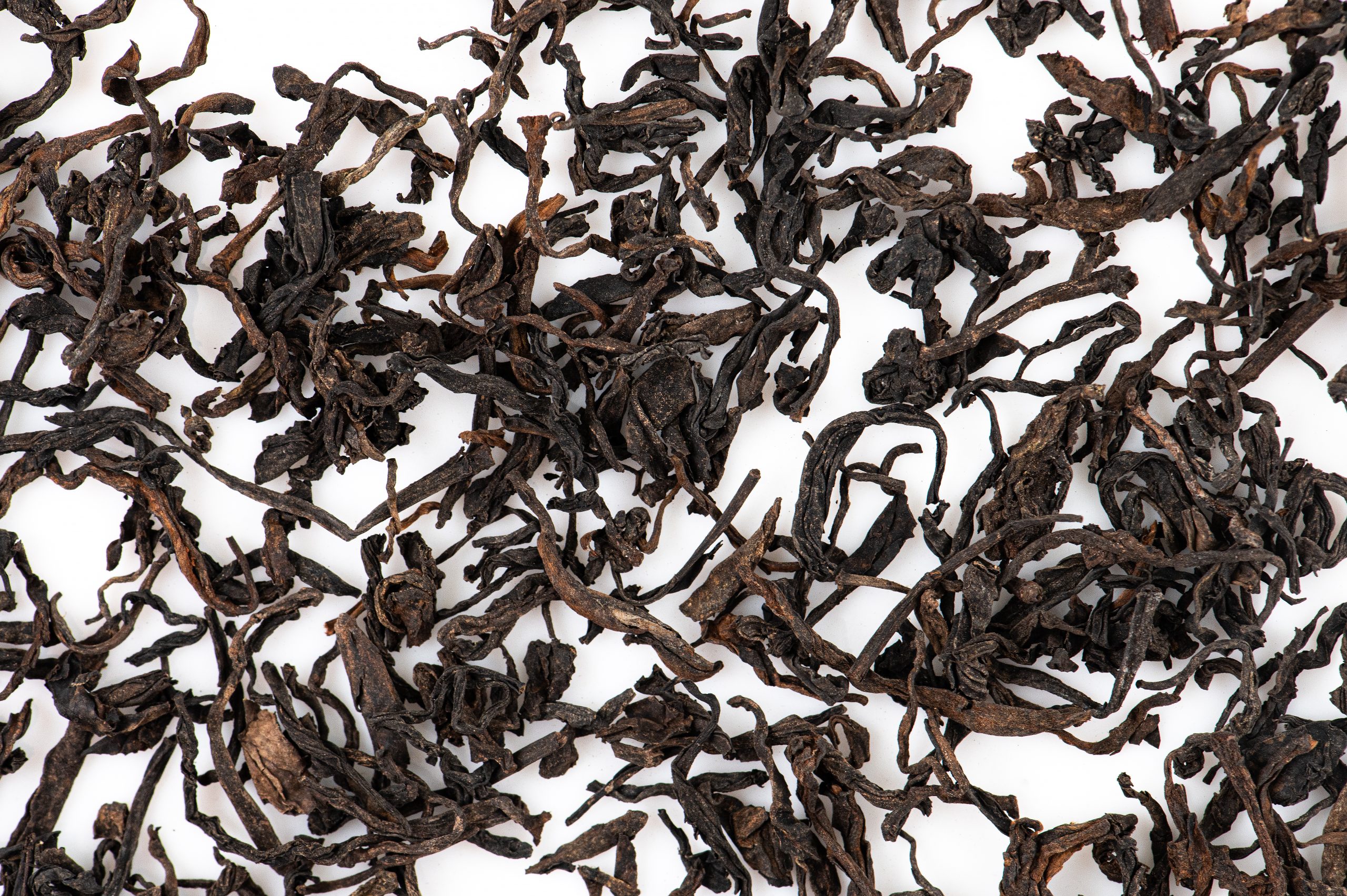
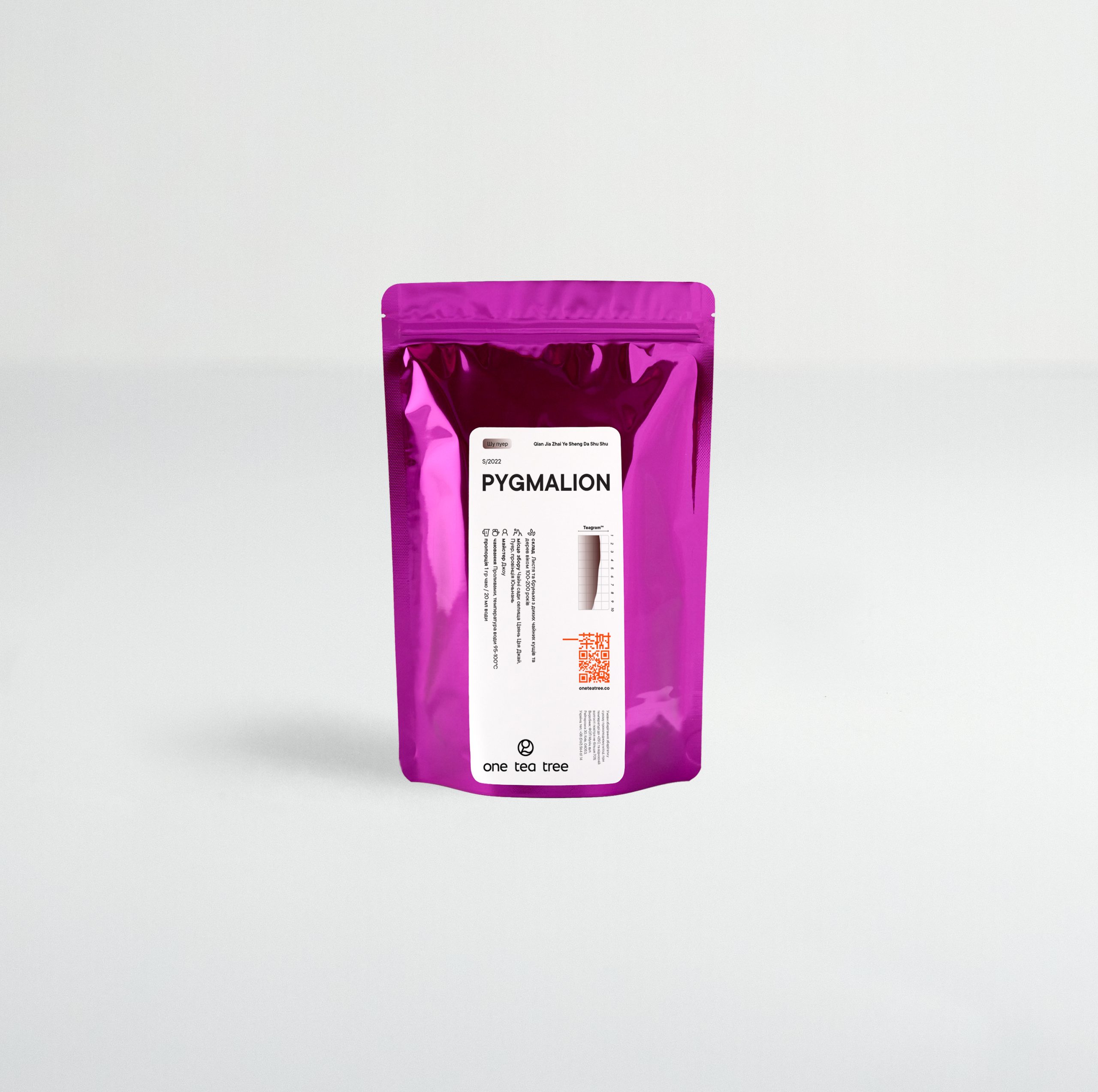
This shu puerh is truly unique. It’s not often that you come across a shu made from wild material. For us, it’s the first time, even though we’ve seen quite a lot.
In 2022, the master decided to run an experiment, choosing raw material from wild tea bushes and trees (Camellia taliensis) aged 100-200 years for this tea. It was a combined harvest from several tea gardens in Qianjiazhai. Here, as in many other mountainous areas of Yunnan, local ethnic minorities traditionally transplant wild tea seedlings from the forest closer to their villages. They form tea gardens from them on convenient slopes, often intermingled with cultivated varieties.
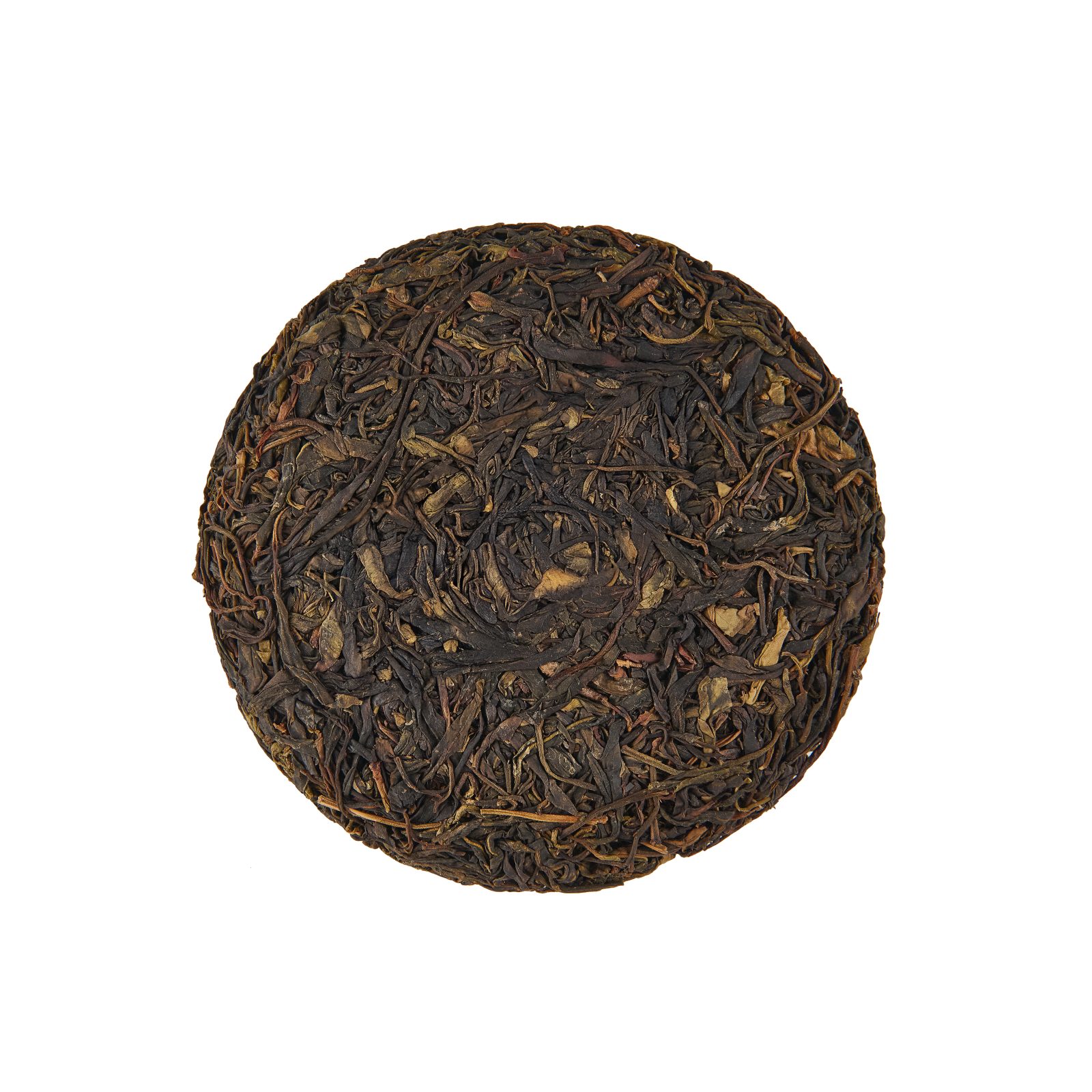
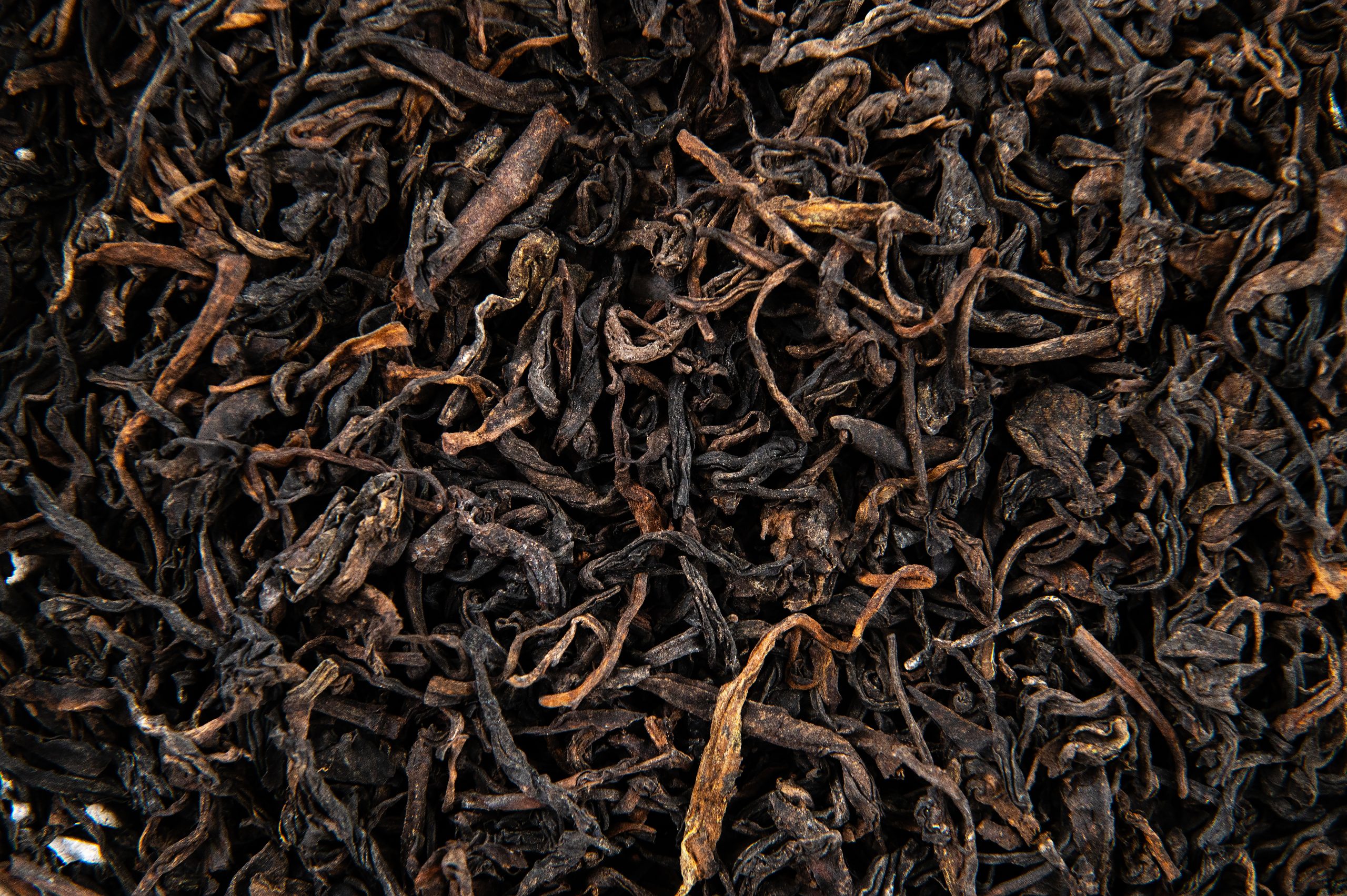
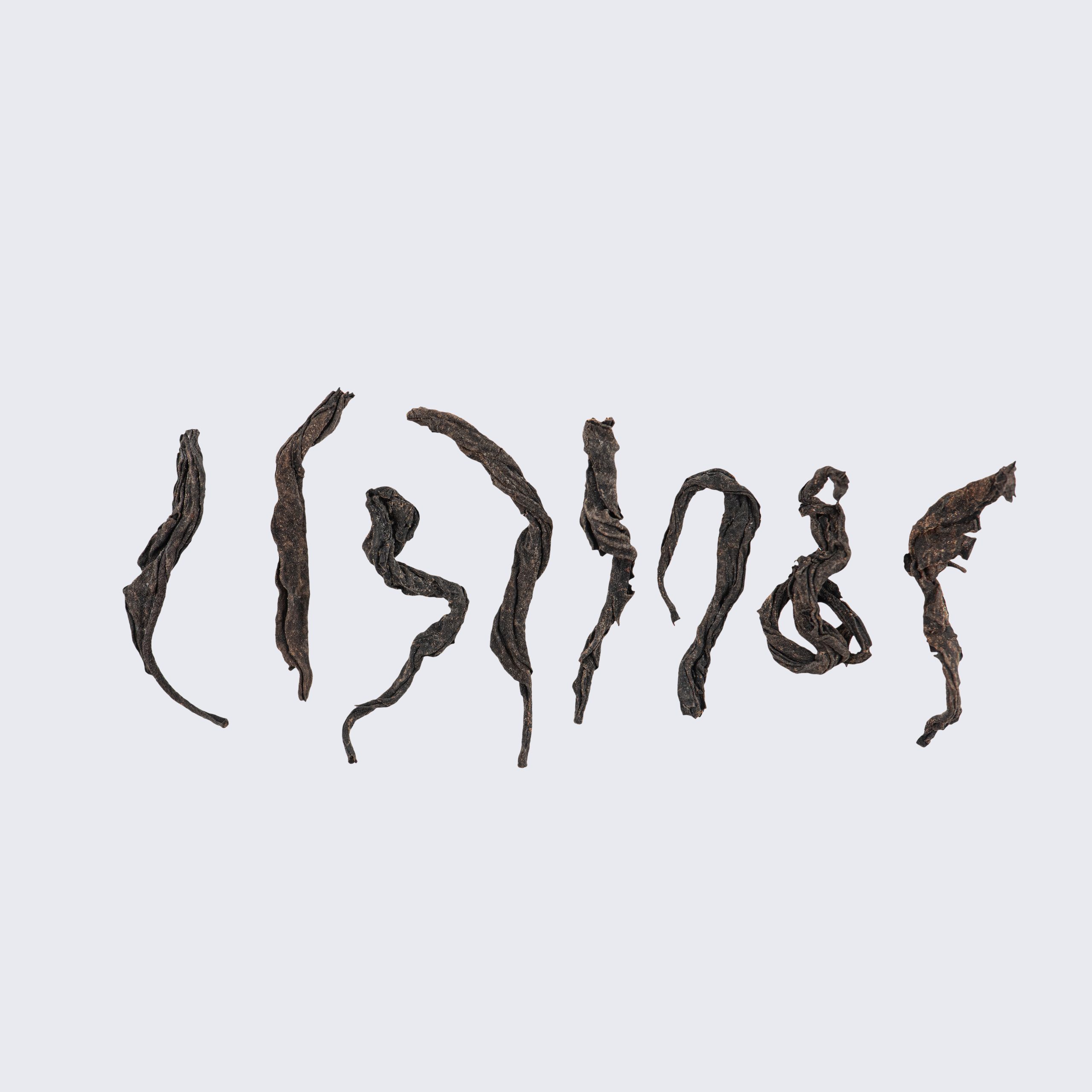
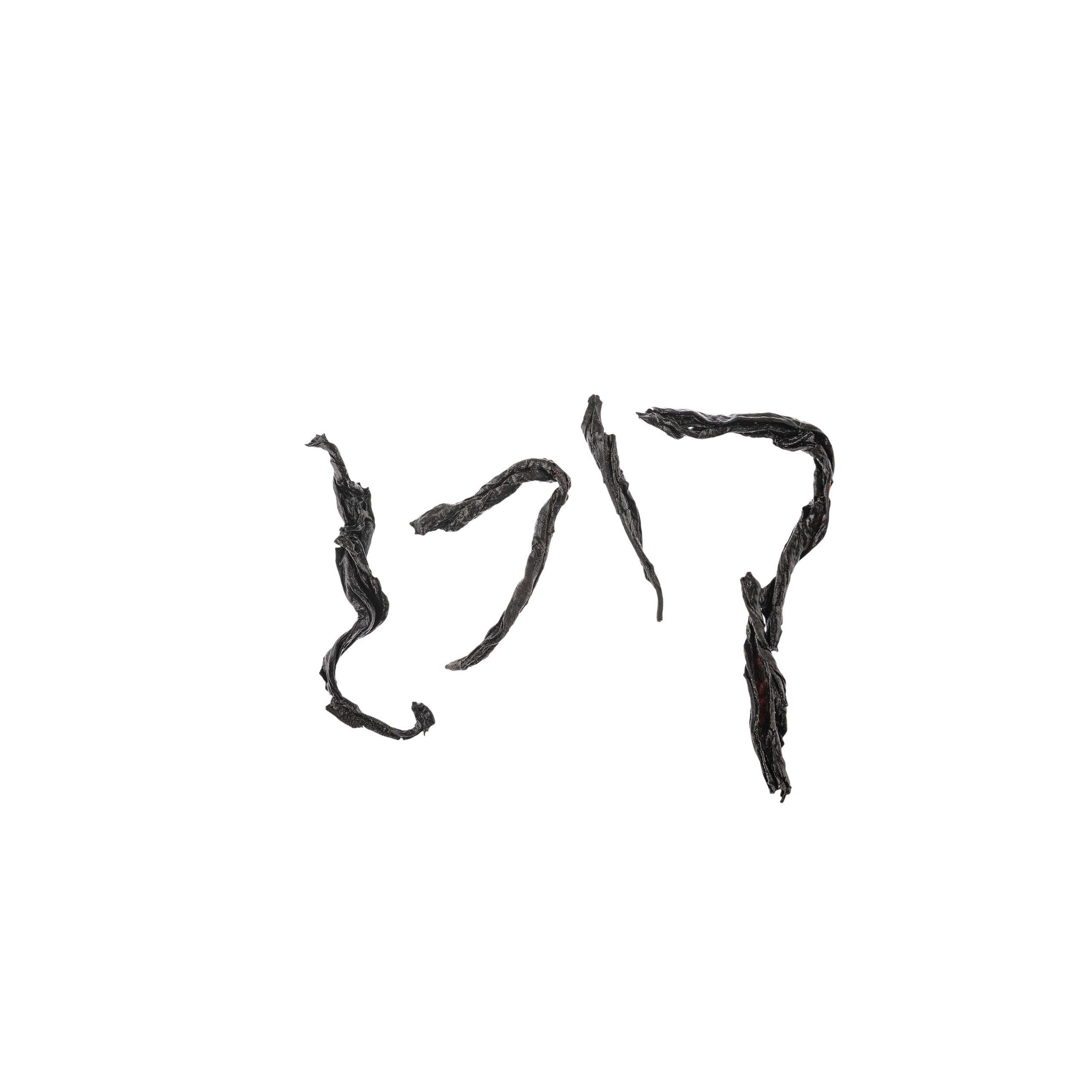
Using wild raw material for Wo Dui (the accelerated fermentation process) is indeed an atypical decision. Normally, sheng maocha made from the cultivated variety Camellia sinensis var. assamica is used. This has been the classic approach since the 1970s, when shu puerh first appeared. Therefore, in this “wild” tea, behind the seemingly typical fermentation notes of shu, an entirely non-typical profile is hidden.
Usually, teas made from wild material age more slowly than those made from cultivated plants due to certain biochemical characteristics. This is especially noticeable during the storage of wild sheng puerh and white teas. The same applies to accelerated fermentation as well. In this case, it took 60 days of Wo Dui for the master to be satisfied with the result.
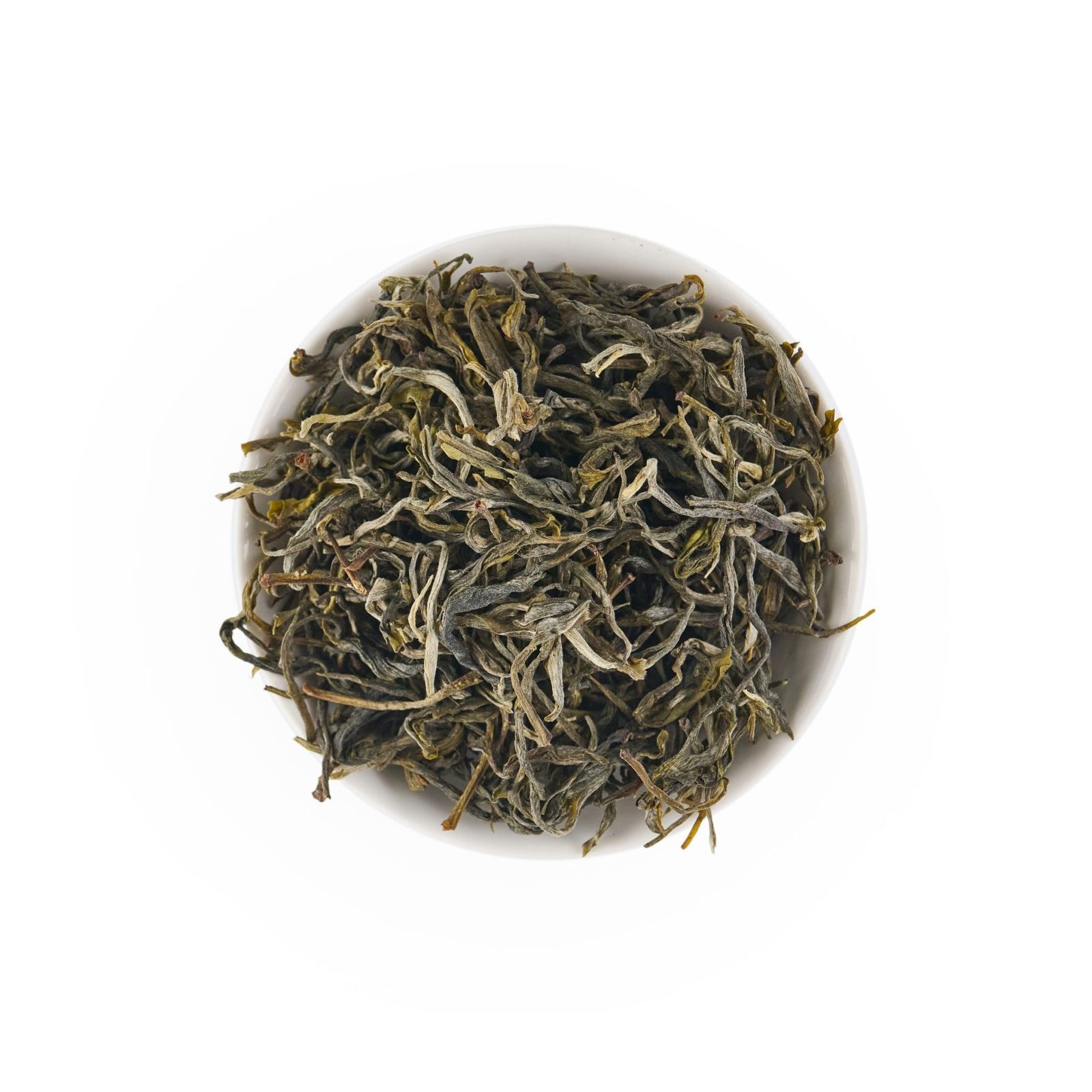
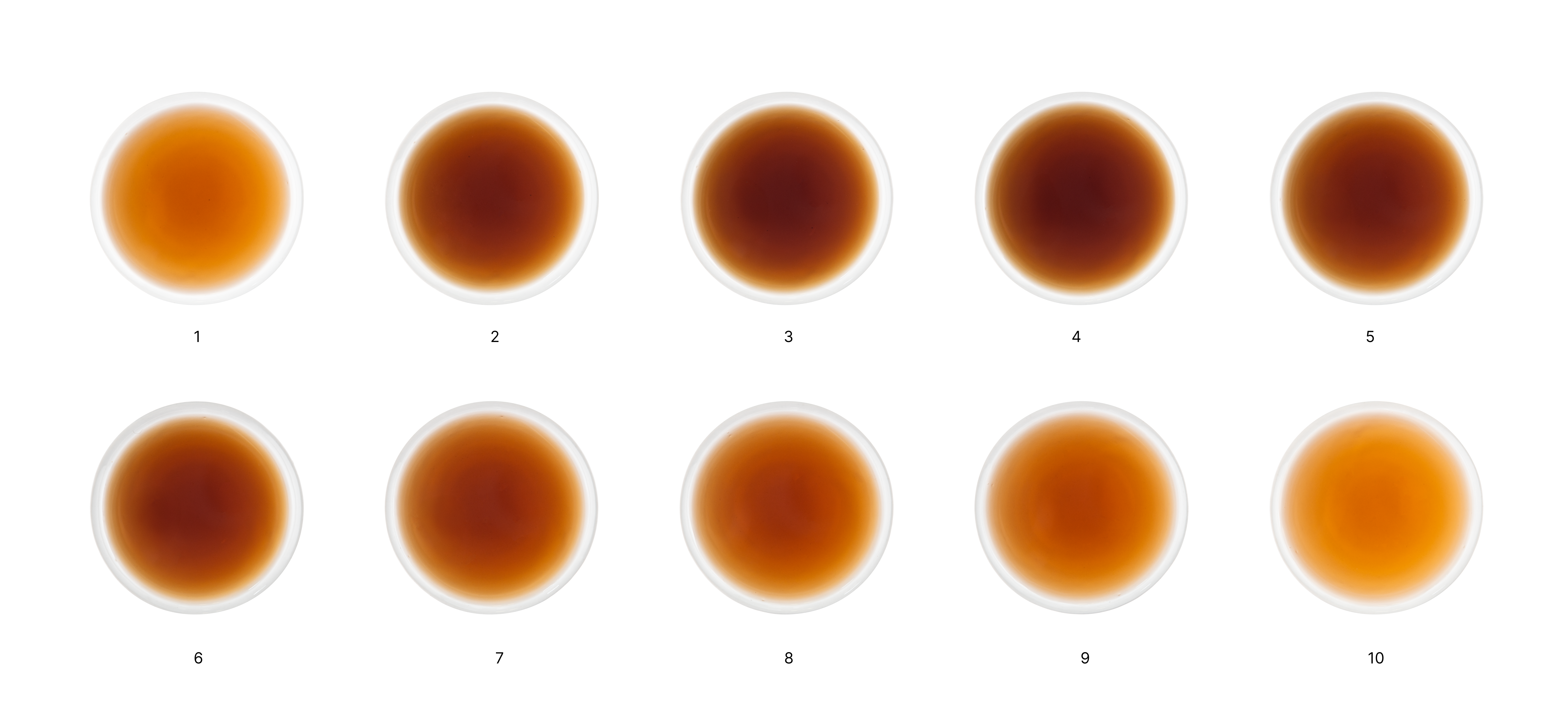
The aroma of the warmed leaves is quite restrained and elegant: dark-roast coffee, dark chocolate, leather, nuts, and nori. The liquor is sweet and soft: through notes of dark chocolate and rosehip emerge characteristics typical of wild material — rowan and kumquat, with their gentle bitterness and acidity. Throughout the entire session, the tea delivers remarkable sweetness and mouth-watering juiciness. In the empty cup, aromas of coffee with milk and honey cake remain, gradually shifting into sandalwood and woody notes.
The tea is very dynamic and engaging, inviting exploration and experimentation with leaf-to-water ratios and infusion times.
Cha Qi is warm and all-encompassing
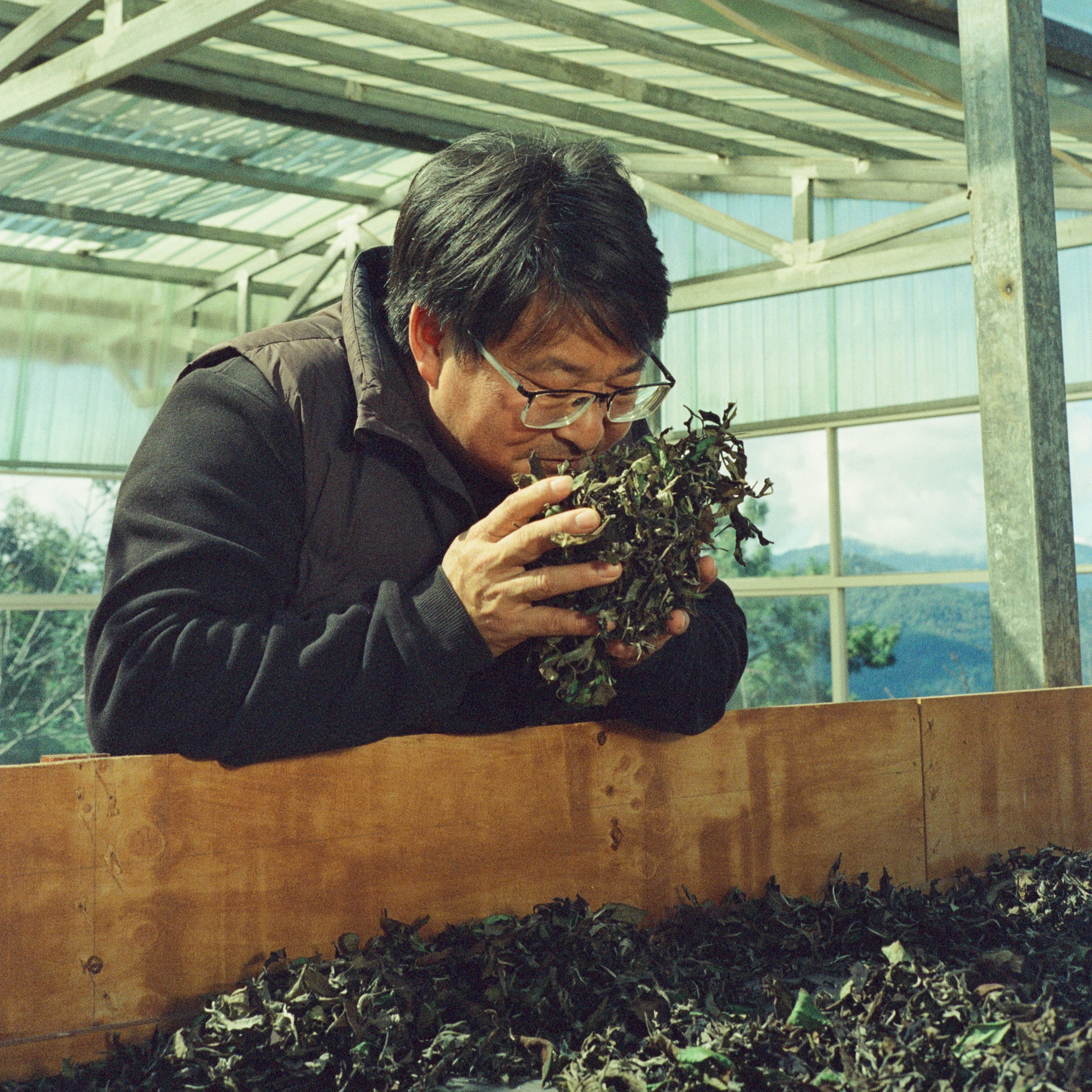
Master Zhou was born and raised in the mountainous region of Qian Jia Zhai. His ancestors had been engaged in tea cultivation and production here for generations. His first teacher was his own grandfather. Later, he studied under a renowned master from Kunming. In 2004, Zhou created his first tea, which became his favorite and a true “flagship” product. During our collaboration, this tea was named Pineapple Express. In 2018, Master Zhou produced a sheng pu-erh from an ancient single tea tree, which won first place at the All-China Tea Olympiad and brought him recognition and respect among colleagues and collectors.
By infusions, water temperature 95-100°C
Proportion: 1 gram of tea / 20 ml of water