Additional information
| Weight | N/A |
|---|---|
| Size | 25g, 50g, 100g |
| Country of origin | |
| Рік врожаю | |
| Тип сировини за морфологією |

From 590.00 UAH
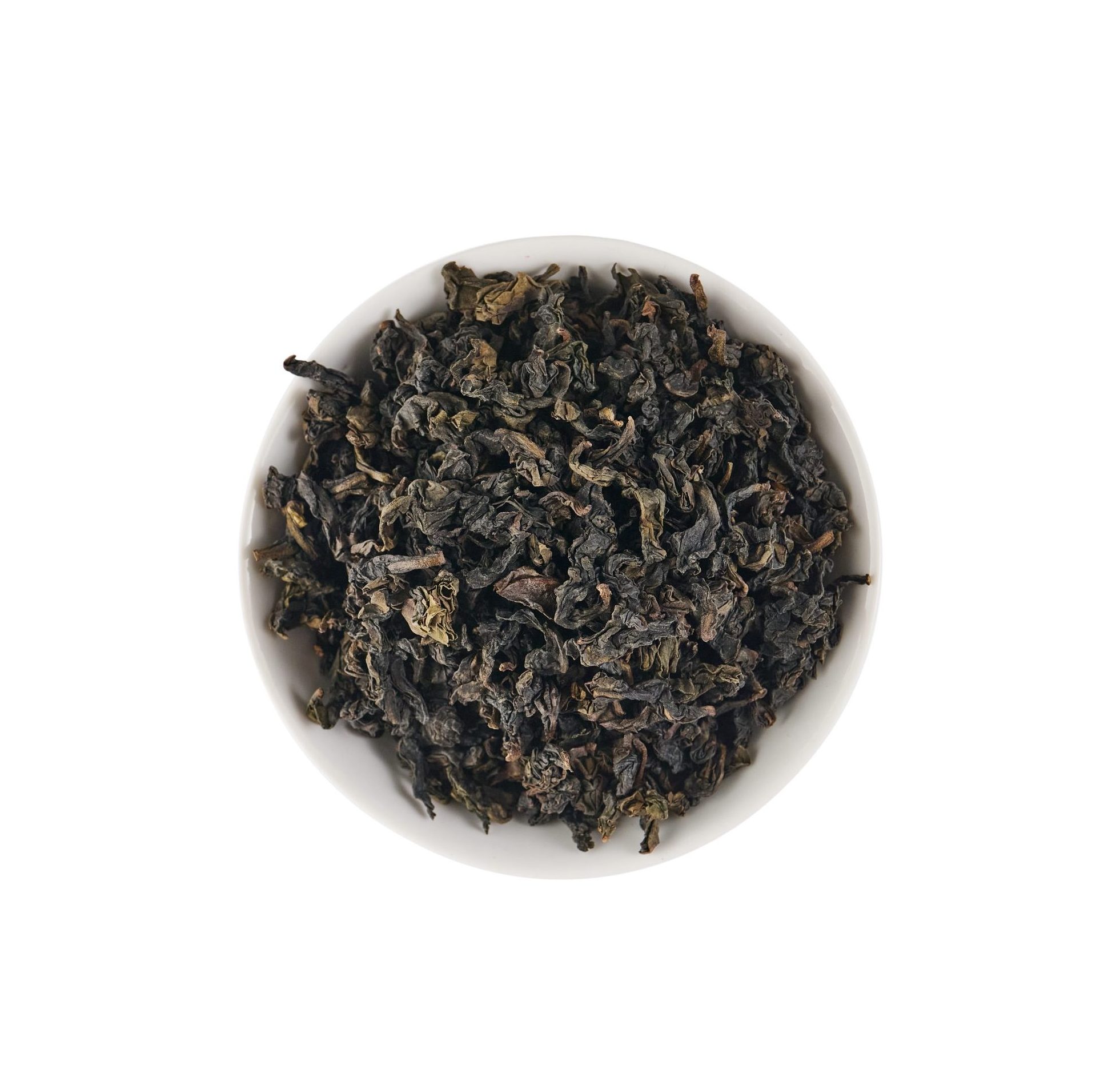
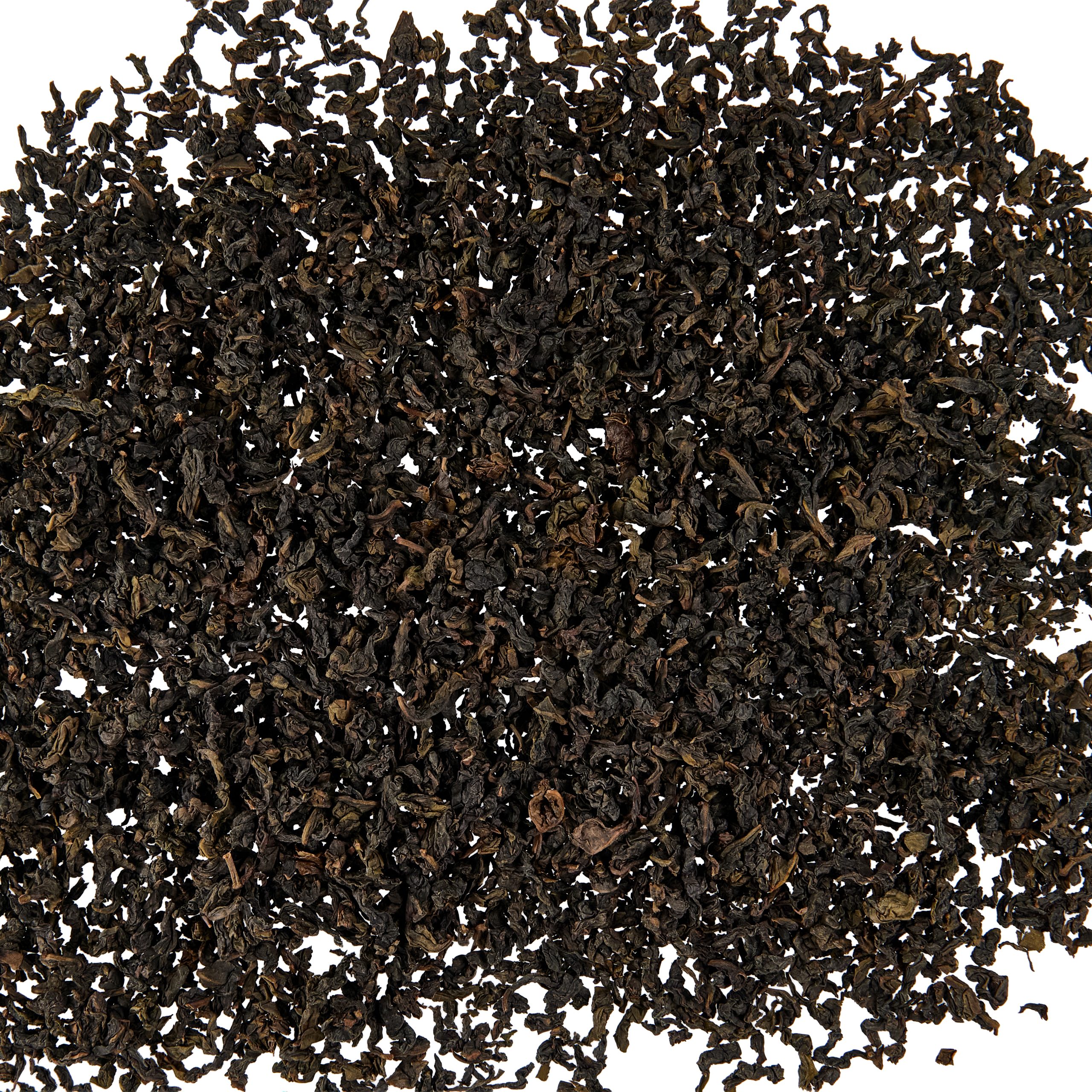
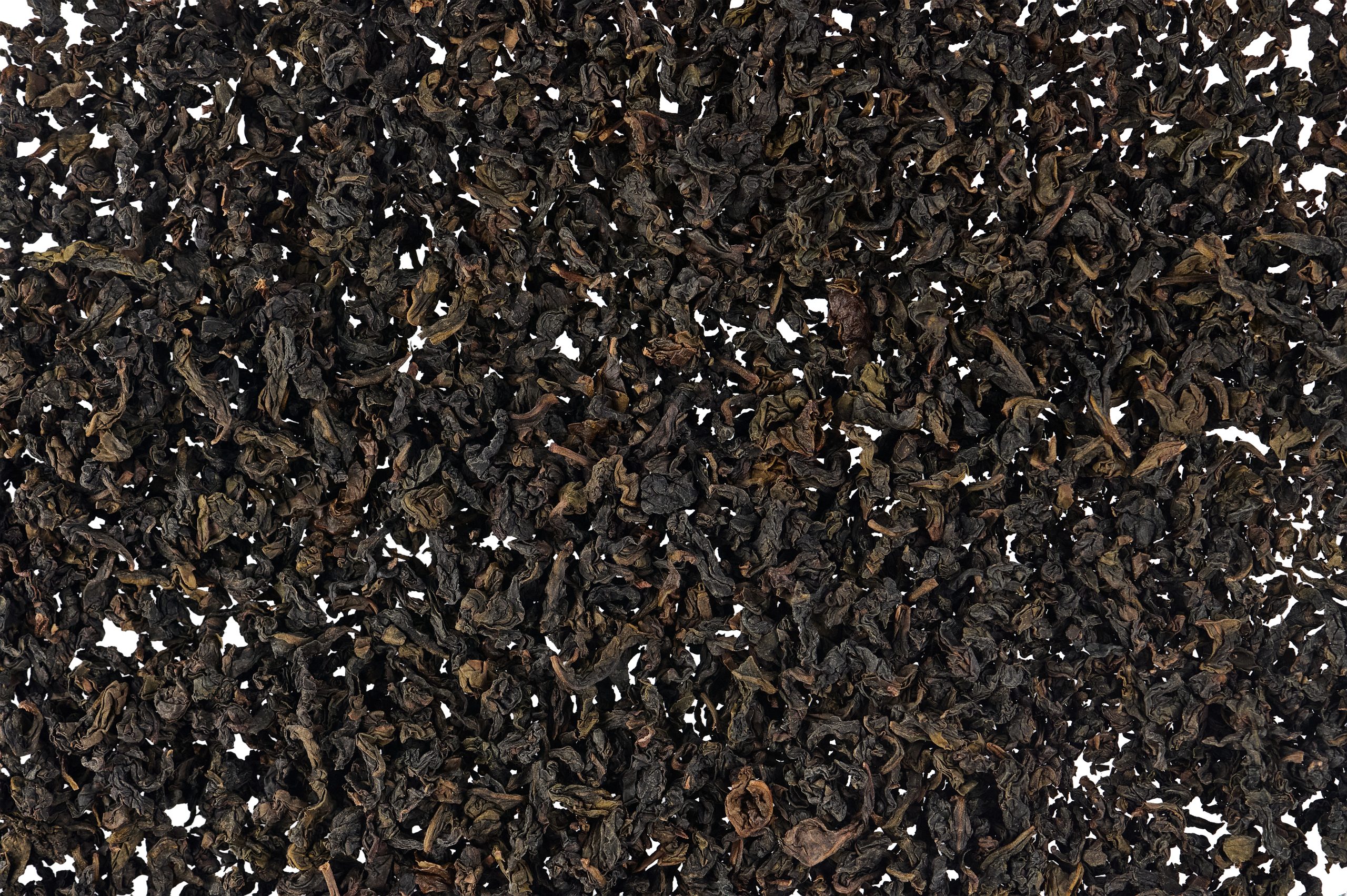
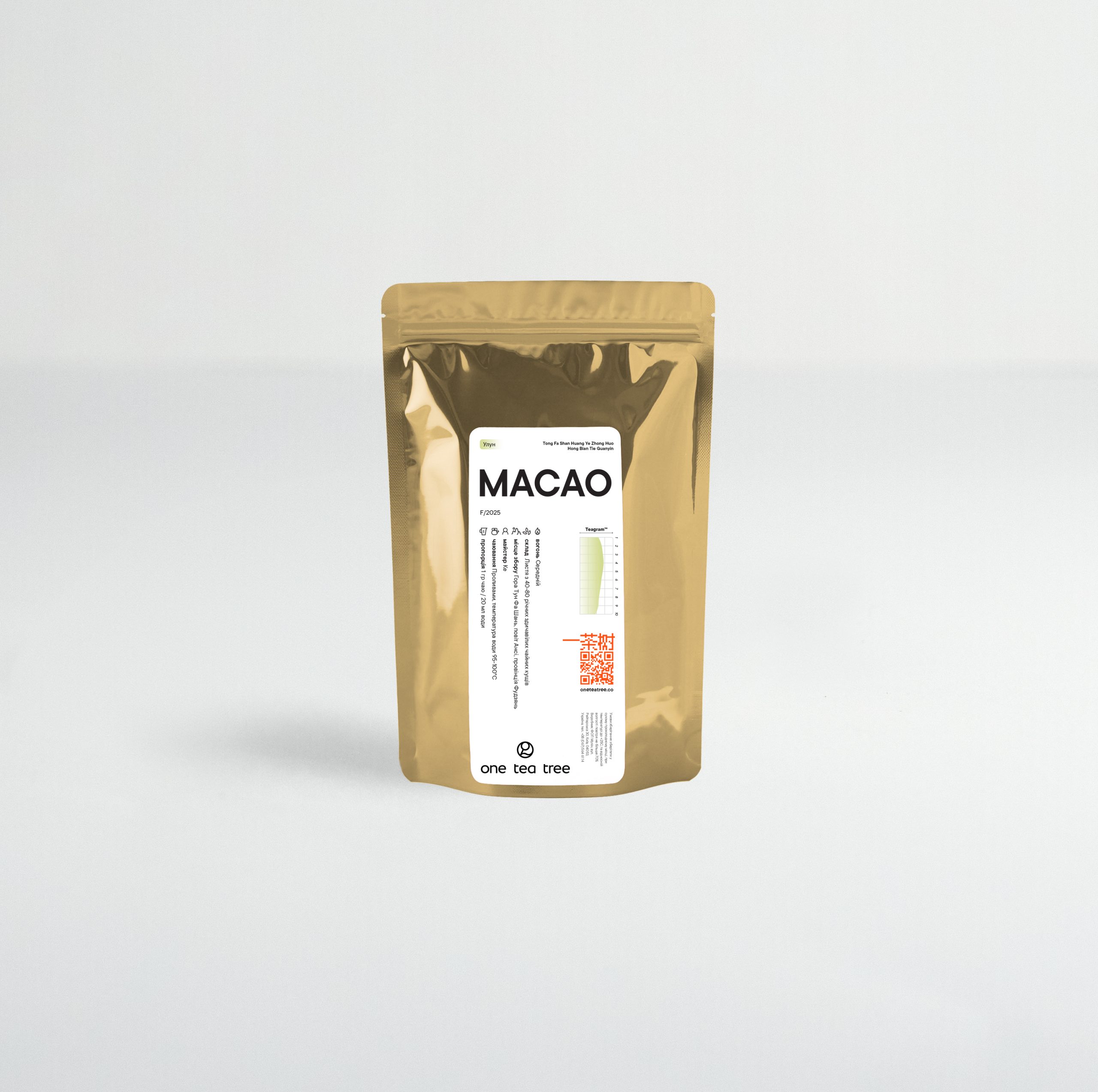
Tieguanyin made from the leaves of feral tea bushes aged 40–80 years, growing in abandoned gardens almost at the very summit of Mount Tong Fa Shan. This mountain is the second highest in Anxi County, reaching an elevation of 1,500 meters above sea level. On its slopes, all three main quality categories of Tieguanyin raw material can be found.
From the very foothills of the mountain begin vast areas filled with neat, man-made terraces densely planted with typical Anxi tea plantations. The tea bushes are low (rarely rising above knee height) and planted very tightly, forming a continuous carpet broken only by service paths and rocky terrain. Harvesting here is done mechanically several times a year by cutting off the upper layer of newly grown leaves. Vegetation is actively stimulated with fertilizers. Due to such intensive cultivation, the lifespan of these tea plantings rarely exceeds 25 years, after which they are replaced with new ones.
Moving higher up, one can occasionally encounter pure tea gardens where the harvest, although still collected mechanically, is done only twice a year and no fertilizers are used at all.
And closer to the summit, where the slopes become steeper and harvesting becomes extremely inconvenient, there are abandoned, feral tea gardens known as Huang Ye. These gardens look like dense thickets: bamboo and wild grasses have almost completely overgrown the tea bushes, although in some places the bushes still reach up to three meters in height. Here and there, one can see narrow paths cut through the undergrowth and cleared tea plants. These are exactly the places where harvesting has recently resumed for Master Ke. It is here that the extra-class raw material for this truly unique oolong is born.
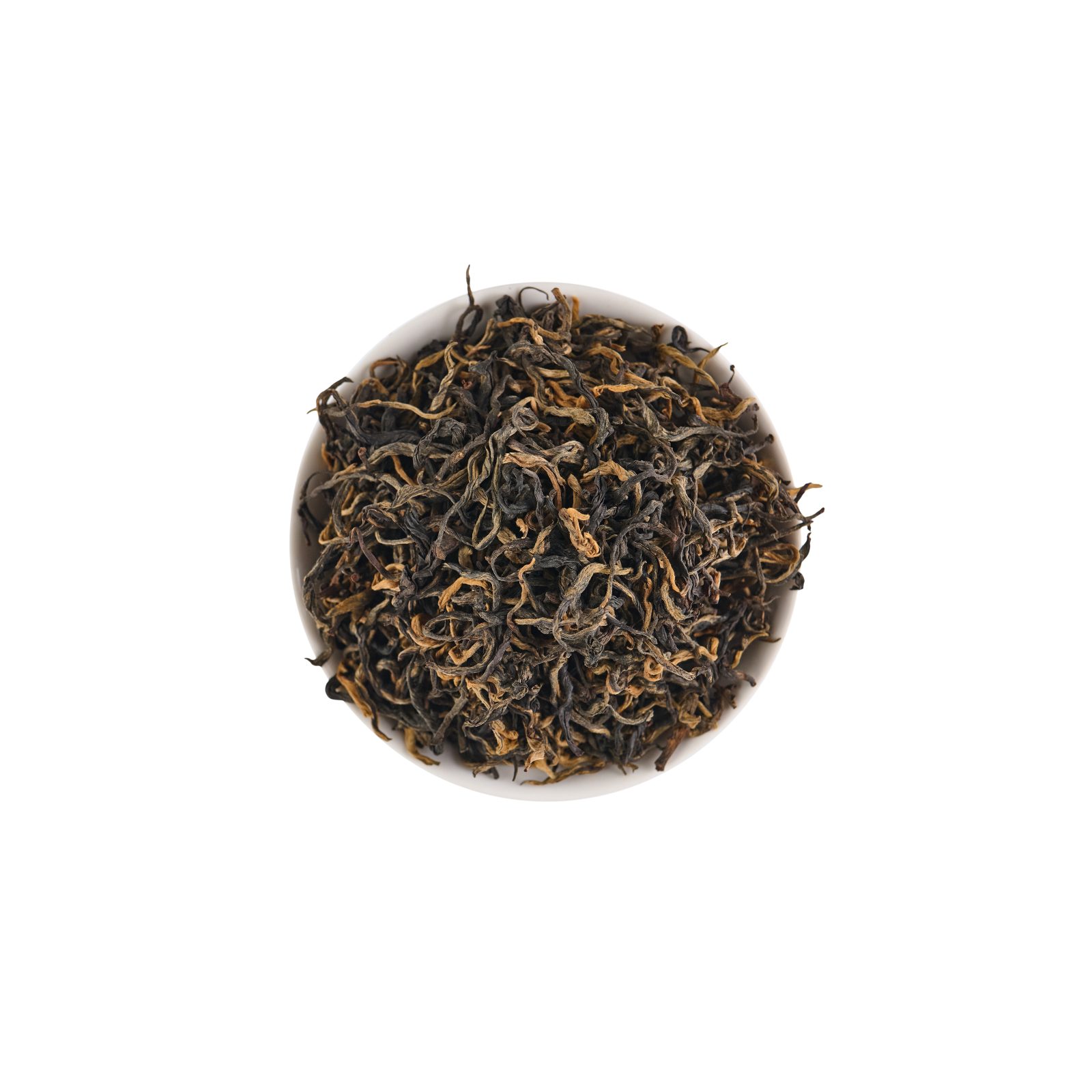
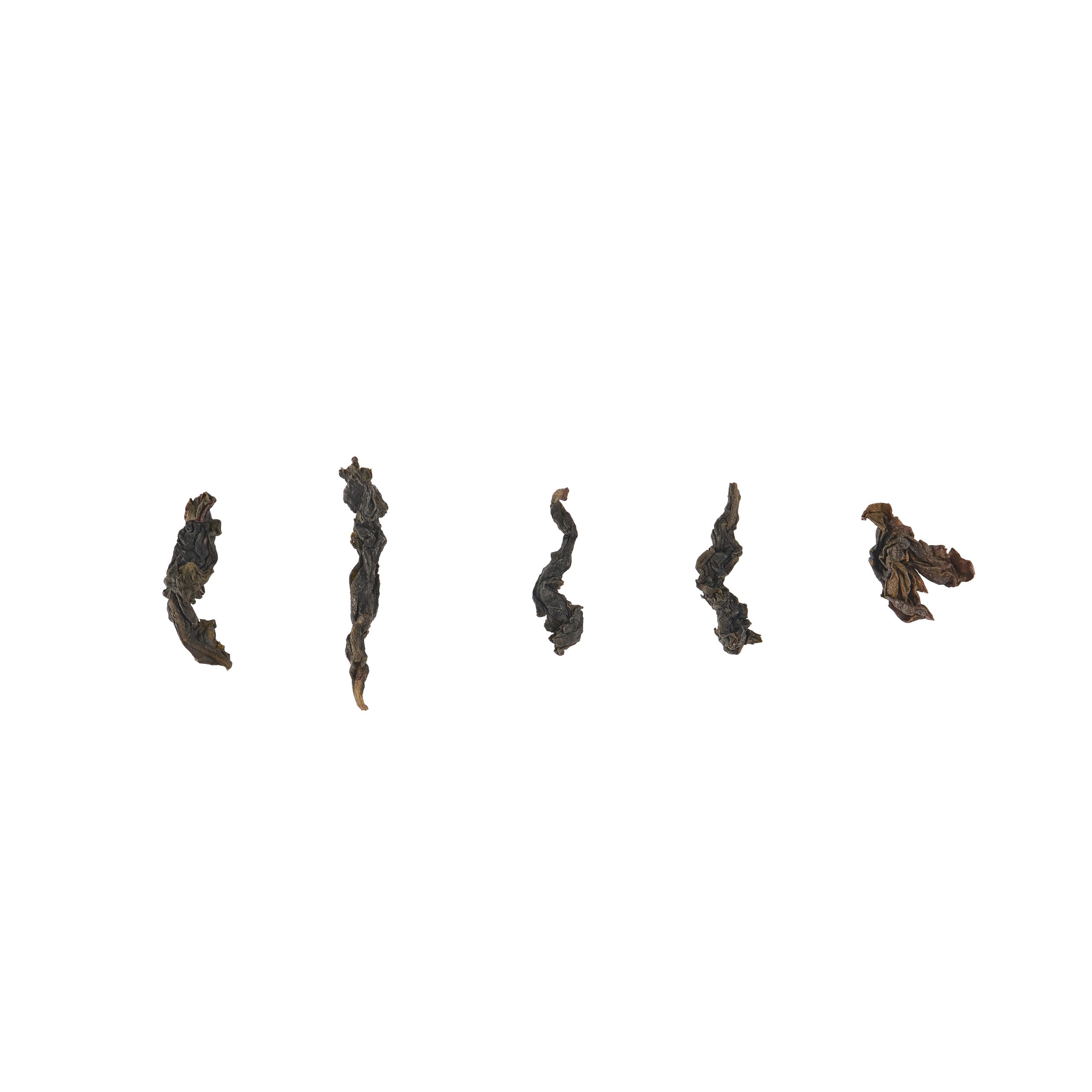
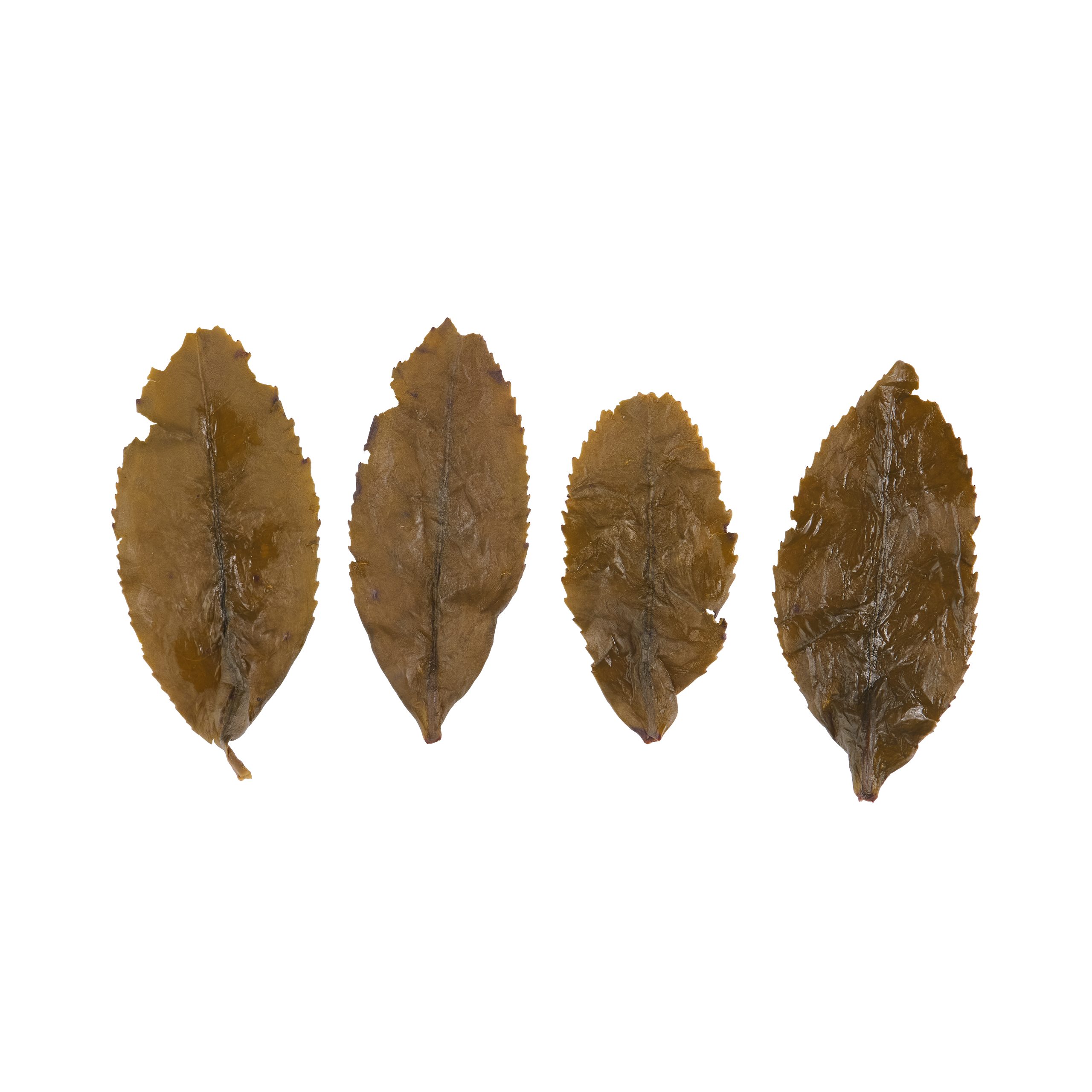
Master Ke produced this Tieguanyin at a “medium roast” level (Zhong Huo). This is a moderate charcoal roasting (Tan Pei) carried out at the final stage of production and performed in three stages of three hours each, with breaks of 4–5 hours in between. It is precisely the Tan Pei roasting that defines the fruity component of this tea’s profile. However, the more than twenty preceding processes were no less important. All of them require the master’s constant attention, as even a small mistake can significantly affect the final result. One of the decisive production stages is Yao Qing — the shaking of the leaves in a wooden drum, during which the process of partial fermentation is initiated. This stage gives the future tea the floral part of its profile and forms the characteristic red edge of the leaf (Hong Bian).
All other stages are also carried out under the master’s full control and are repeated until the desired result is achieved: Lian Qing — light drying, Wei Diao — withering, Rou Nian — rolling, Bao Gou — wrapping in cloth, Su Bao — compression in cloth, Pin Ban Rou — rolling within the cloth, Guo Huo — drying, Da Shan — shaking.
Almost at the very end, immediately before charcoal roasting, the tea is carefully sorted to remove stems. In wild-grown material there are many of them due to the manual and technically difficult harvesting process (up to 40% of the total mass).
The expressive aroma of the warmed leaves is highly multifaceted: freshly baked apple charlotte, crème brûlée, white chocolate, macadamia, a hint of vanilla, and fresh nightshade greens.
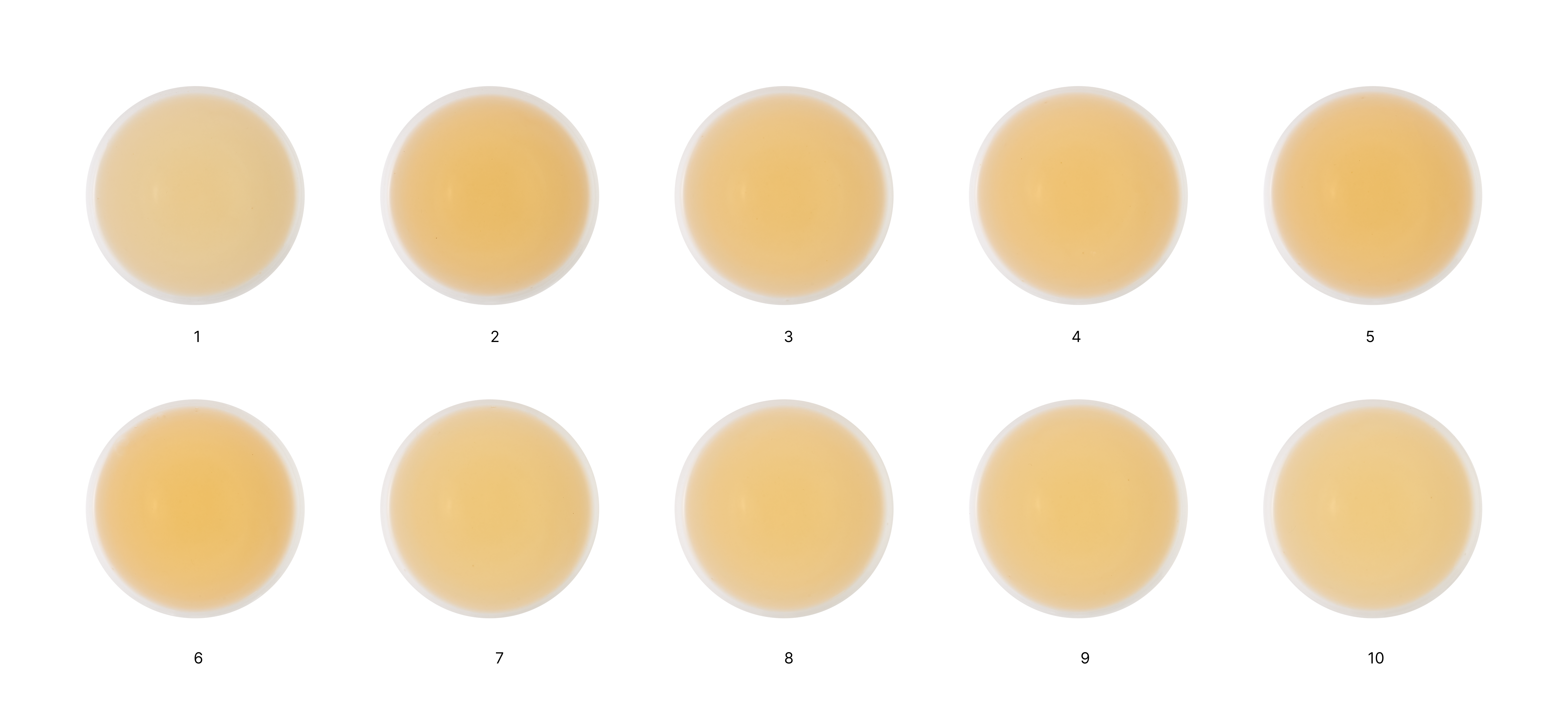
The crystal-clear, bright golden liquor is very sweet and buttery: pastel de nata, bitter almond, tahini, a morning croissant with butter. The long, oily, mineral finish reflects the feral raw material (Huang Ye) of the highest quality.
But the most intriguing part is hidden beneath the teapot lid. After each infusion, it reveals fantastically deep aromas: sweet red rose, vanilla, banana, and orange marmalade.
This Tieguanyin somehow manages to combine the tropical juiciness of Asia with the caramel-buttery richness of Europe.
Very balanced and extremely long, this tea represents the classic Nong Xiang (“Deep Aroma”) Tieguanyin style and, like any top-tier oolong, requires brewing with boiling water.
Cha Qi is bright and powerful
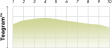
By infusions, water temperature 95-100°C
Proportion: 1 gram of tea / 20 ml of water