Additional information
| Weight | N/A |
|---|---|
| Size | 25g, 50g, 100g |
| Район походження | |
| Country of origin | |
| Рік врожаю | |
| Вік сировини | |
| Регіон походження |

From 618.00 UAH
| Weight | N/A |
|---|---|
| Size | 25g, 50g, 100g |
| Район походження | |
| Country of origin | |
| Рік врожаю | |
| Вік сировини | |
| Регіон походження |
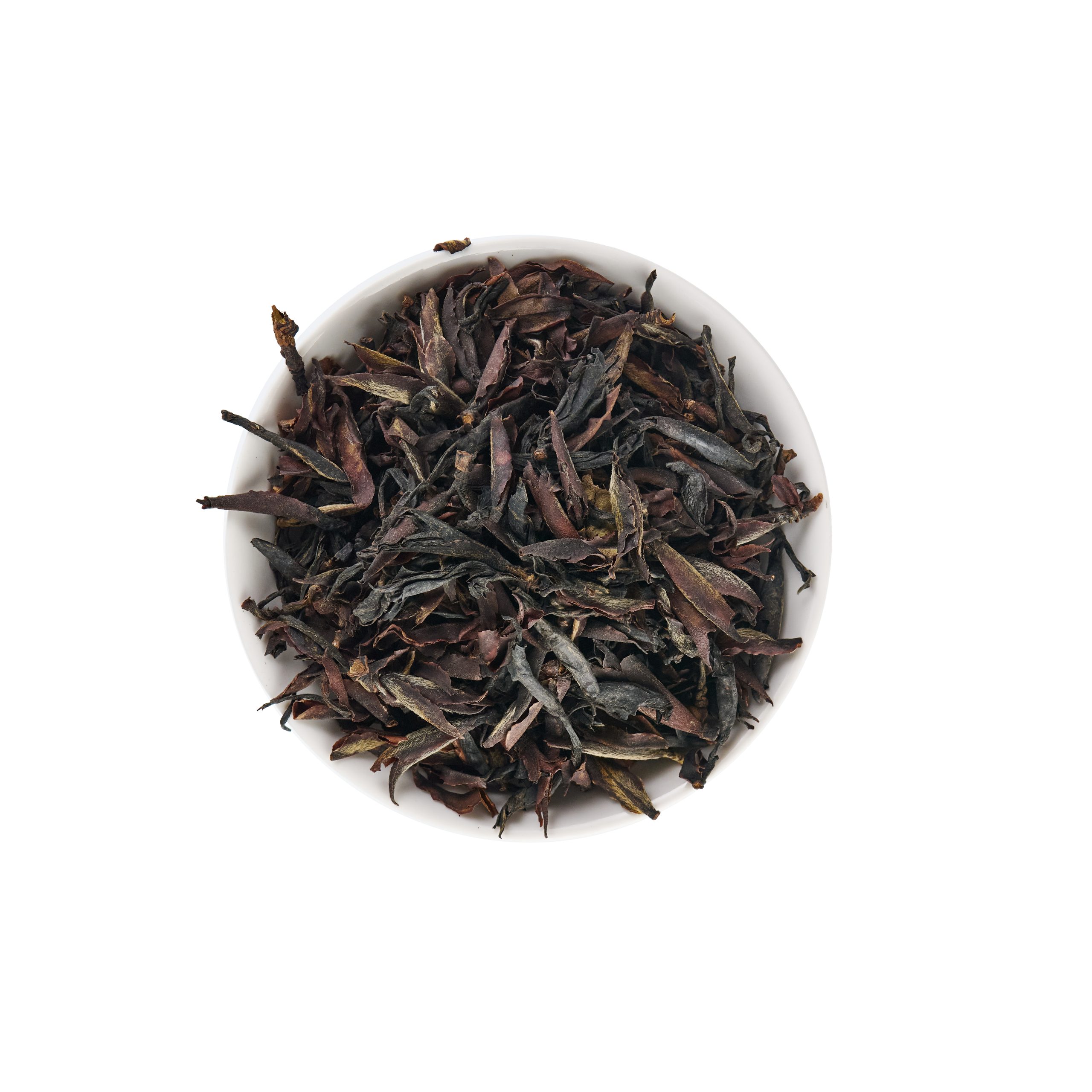
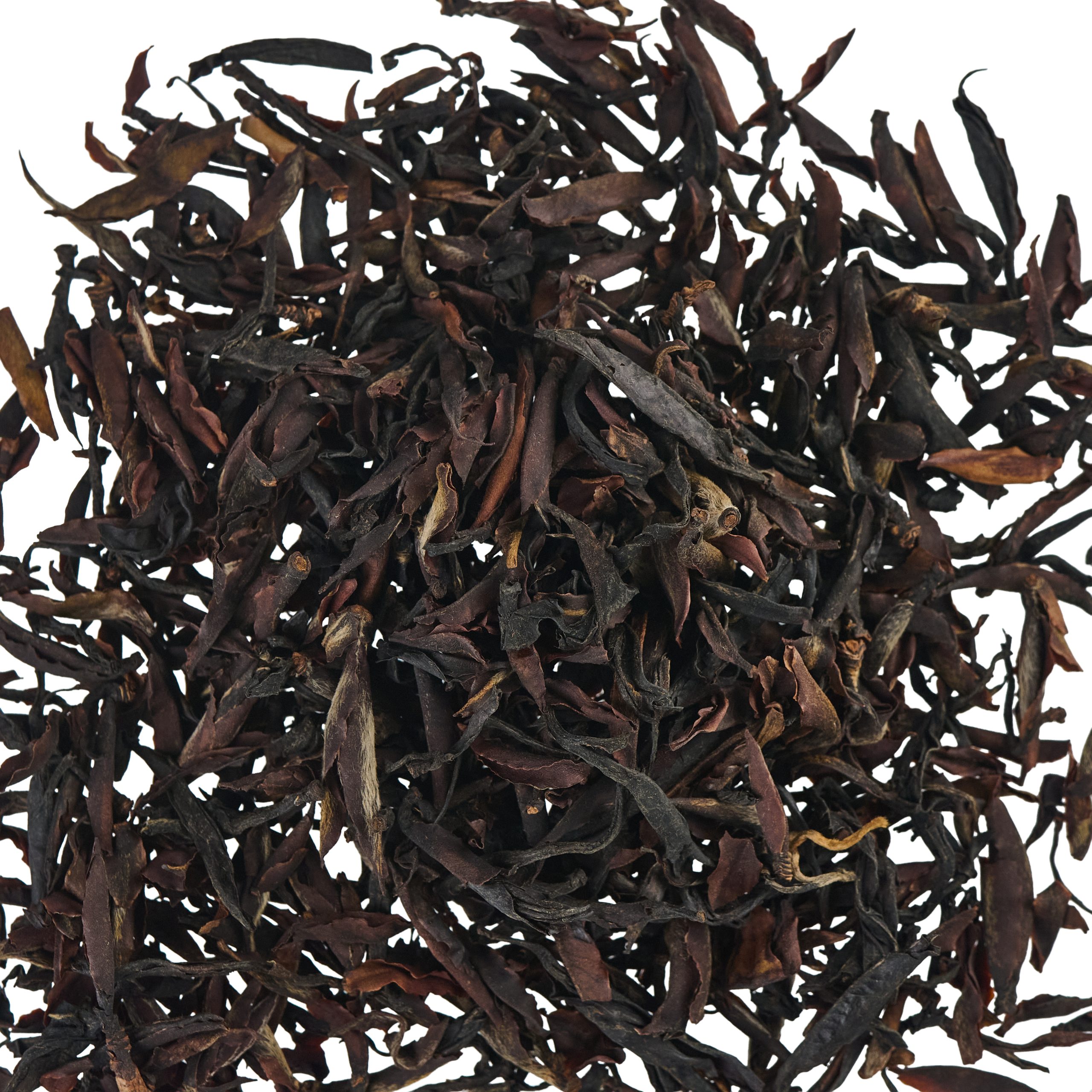
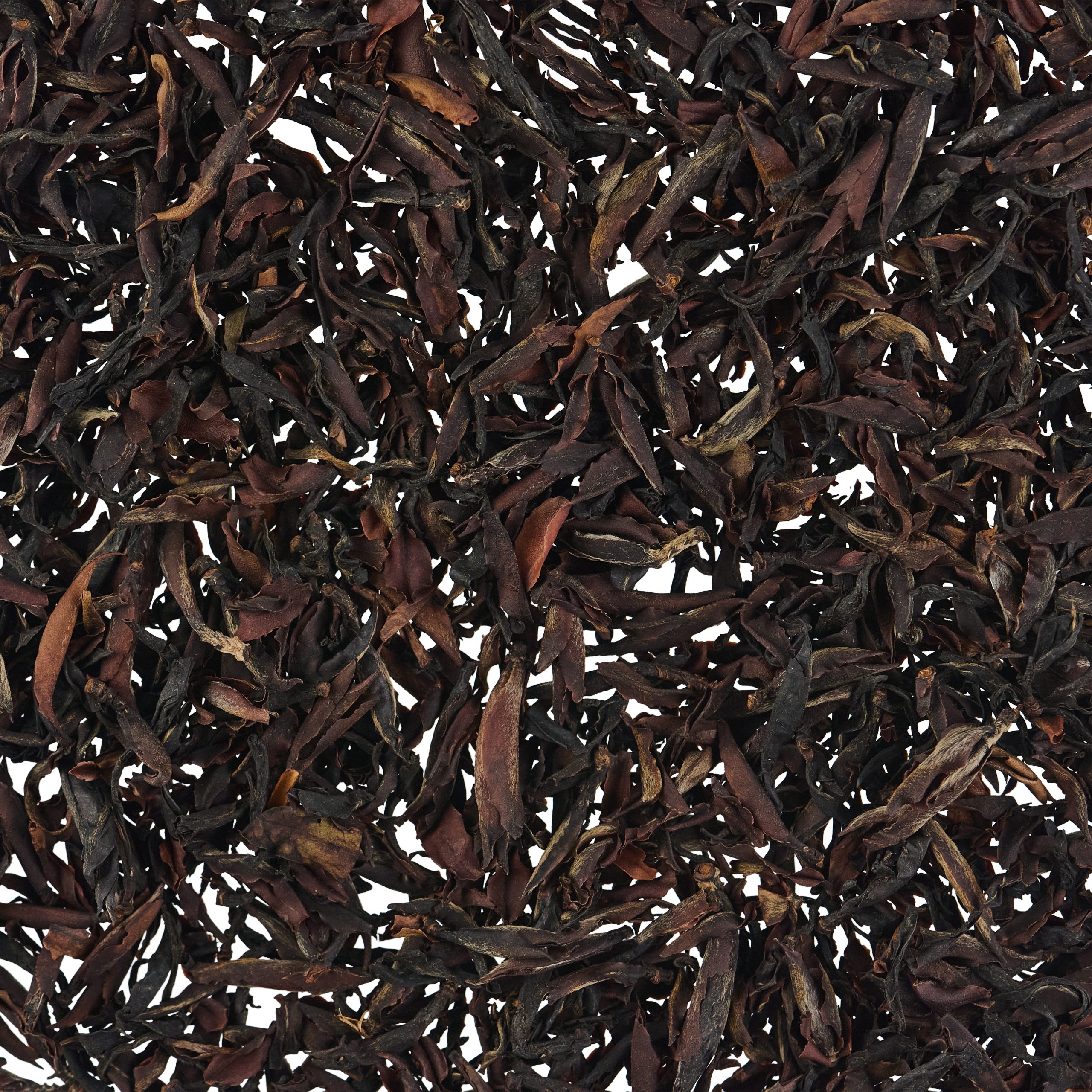
This tea is unlikely to leave you indifferent. The story of this red tea begins with its raw material. The buds are harvested from wild ancient trees 300–500 years old, growing in the high-mountain Zhenyuan Nature Reserve. The reserve’s mountainous evergreen forests are considered not only a natural habitat of wild tea trees, but also one of the possible centers of their origin as a species.
The harvesting of raw material in the reserve takes place once a year and serves as one of the sources of income for poor farmers from the Yi and Lahu tribes. For centuries, across many generations, this has been part of their way of life. After the establishment of the national nature park, access to the area was strictly restricted, but local authorities make an exception for the villagers each spring.
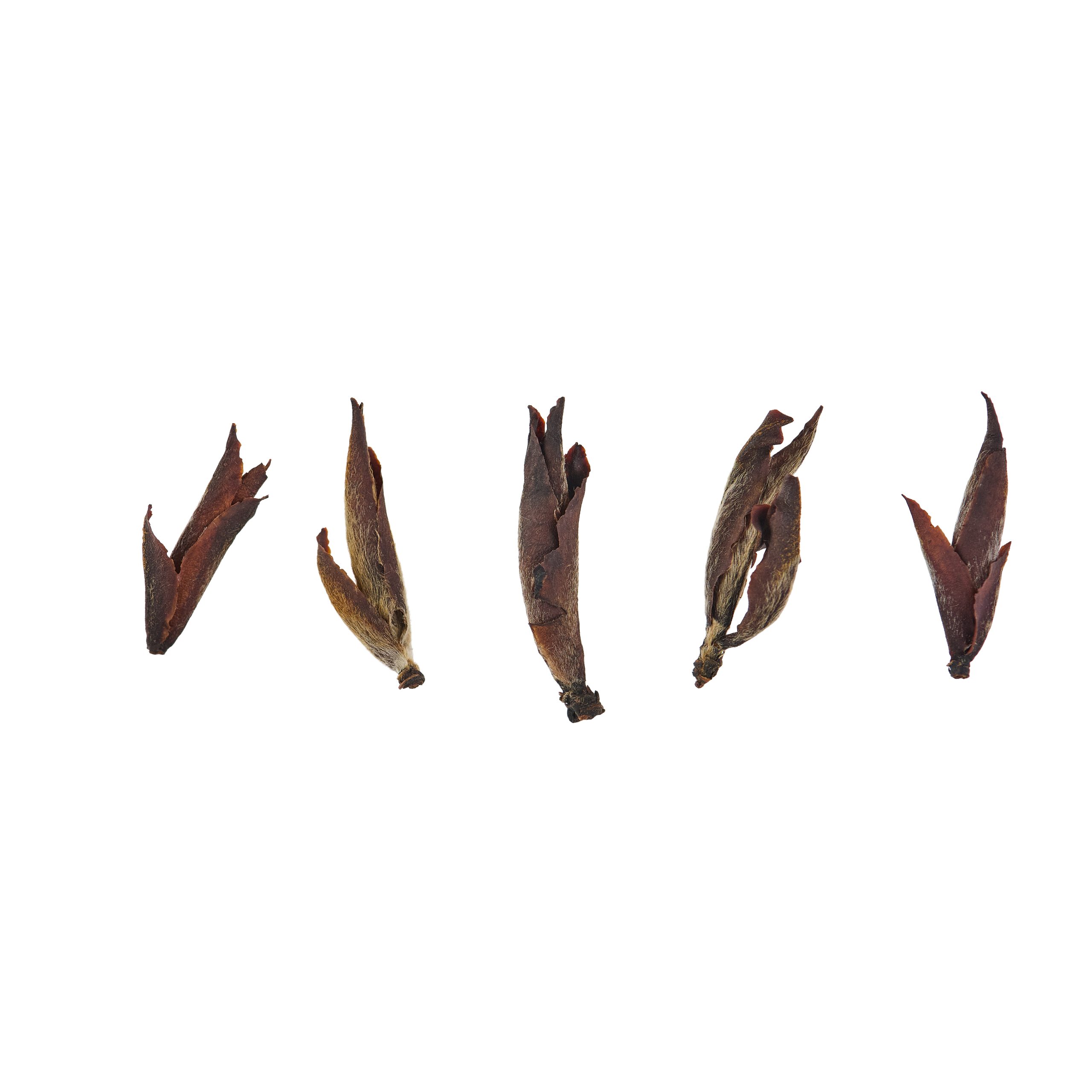
The buds are usually harvested in early March, at the stage of development required by the master. At this time, most of the buds display a slight purplish tint along the edges. In this case, such pigmentation is not a sign of a particular varietal quality of the trees, but solely a reaction of the buds to increased solar radiation. Therefore, depending on the weather conditions of a given spring, the degree of purplish coloration in the buds also varies.
This purplish hue is caused by anthocyanins — polyphenols that act as natural antioxidants with anti-inflammatory properties. In addition to the subtle violet coloration, anthocyanins impart a certain floral character and softness to the tea’s flavor.
Producing red tea from such buds is exceptionally difficult. One of the key processes in its manufacture is fermentation (oxidation). To initiate it, the leaves are usually subjected to mechanical processing (rolling), which breaks down the cell walls. However, a bud at an early stage of development is quite firm and does not respond well to classical techniques that are suitable for leaves.
To produce this tea, Master Zhou invites his longtime friend Ke each spring, an experienced tea master from Fujian. You may already be familiar with Ke’s tea masterpieces if you have tasted our Tieguanyin. It is precisely Ke’s extensive experience in fermenting oolongs and Fujian red teas that proves invaluable here. He employs a complex Fujian technique of repeated shaking in a wooden drum (Yao Qin), which initiates fermentation in the buds and imparts an even more pronounced floral character to the flavor of the future tea.
Thus, through the combination of unique wild material from Qian Jia Zhai and a blend of complex processing techniques from Yunnan and Fujian, this remarkable tea was born.
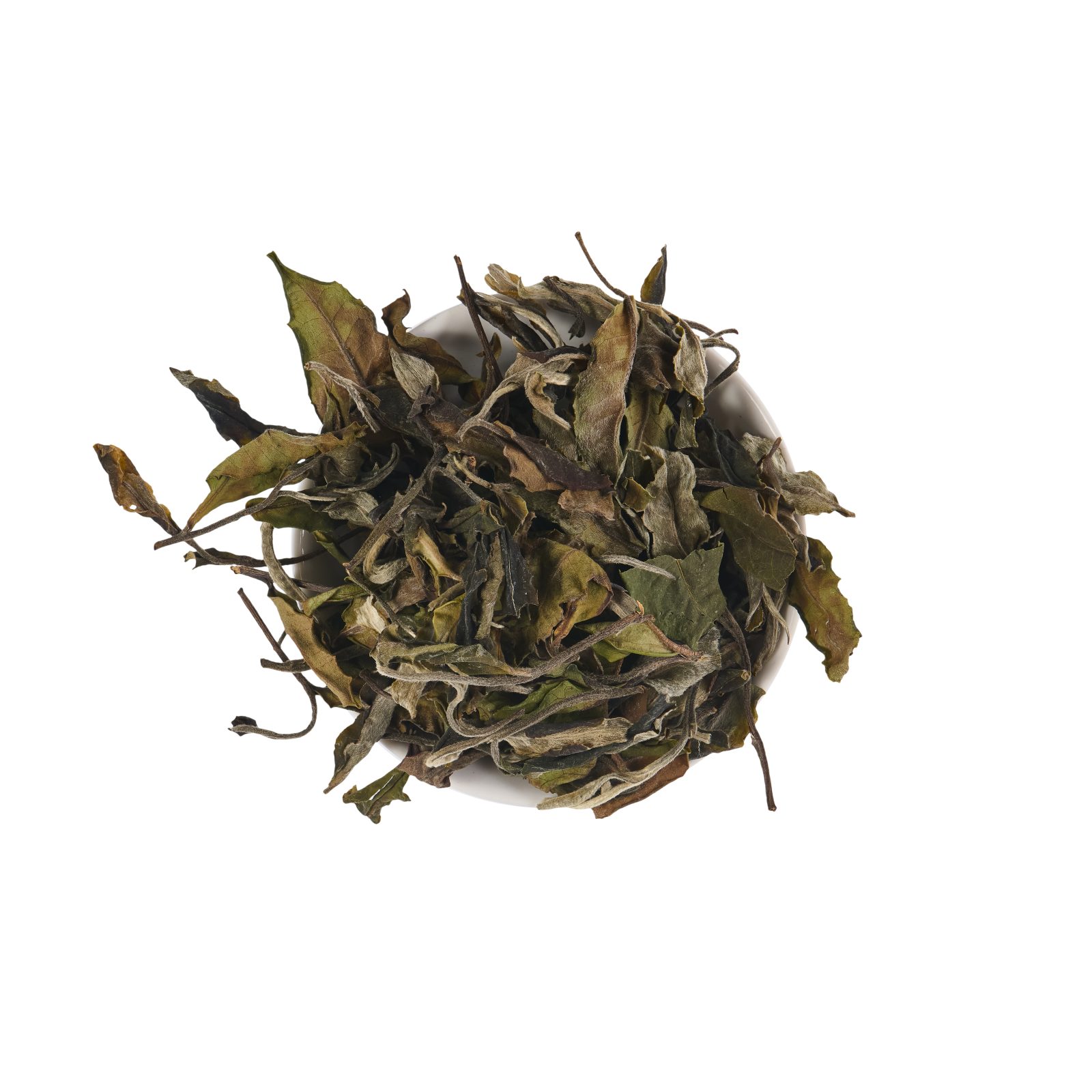
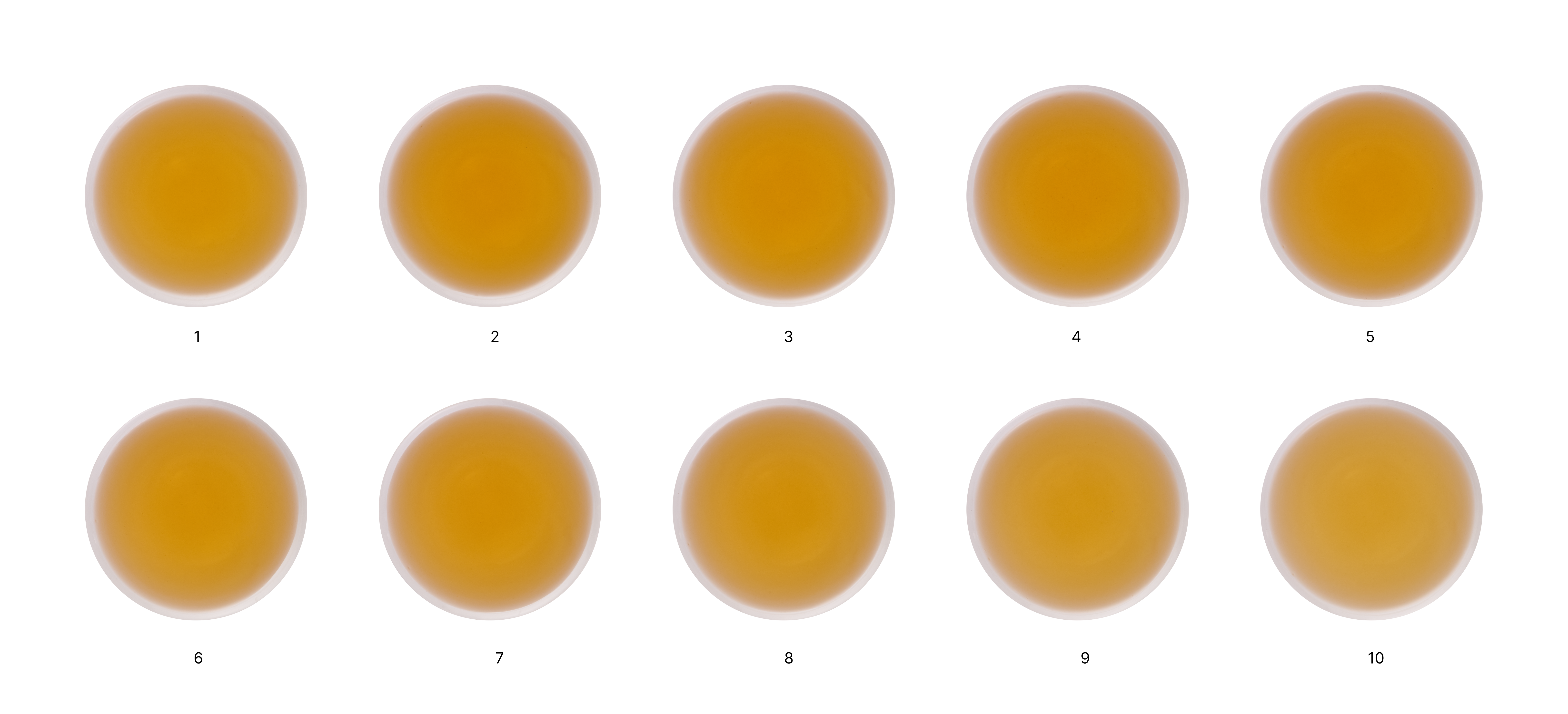
The aroma of the warmed leaves is dessert-like and berry-floral: sweet barberry, lilac, cinnamon, orchid, and the crust of a freshly baked charlotte at the finish. After each infusion, floral-woody fragrances drift beneath the teapot lid, ranging from freshly cut timber to red peonies. The abundance of amino acids in the liquor, bestowed by the ancient wild trees, is felt in every sip, filled with an extraordinary rhubarb-citrus fruitiness. The tea is highly dynamic, shimmering with sweet berry notes that evolve into a powerful floral aftertaste. This, in turn, unfolds into a bouquet that spans from yellow dandelion to refined tropical orchid. Alongside a persistent sensation of moisture in the mouth, a certain ethereal quality emerges, which in the later infusions is joined by notes of beeswax, juniper, orange zest, pine resin, and chamomile.
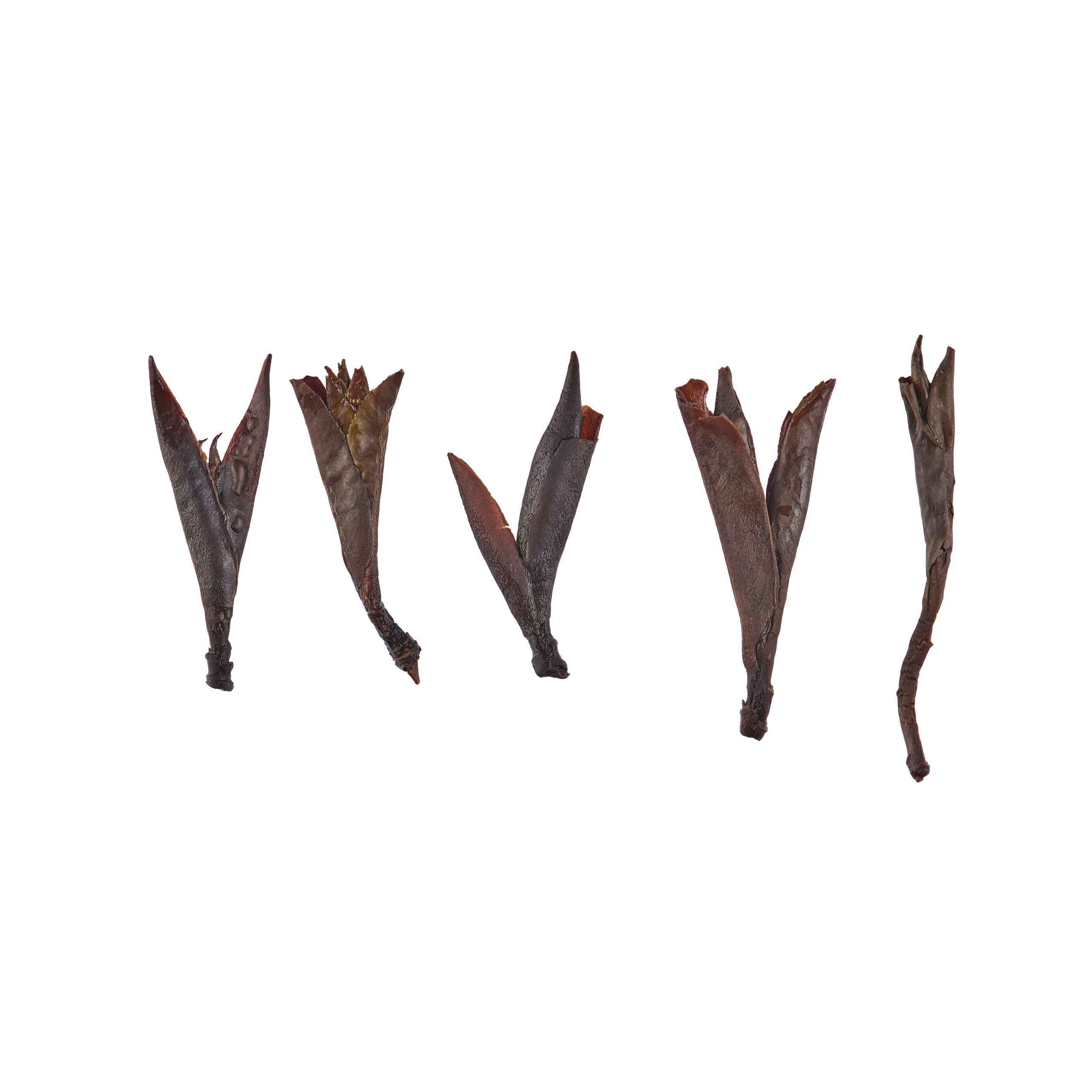
The tea is exceptionally long-lasting, the buds gradually sharing their treasures with us. Cha Qi is warm and gentle, as if nourishing the nervous system from within.
By infusions, water temperature 95-100°C
Proportion: 1 gram of tea / 20 ml of water